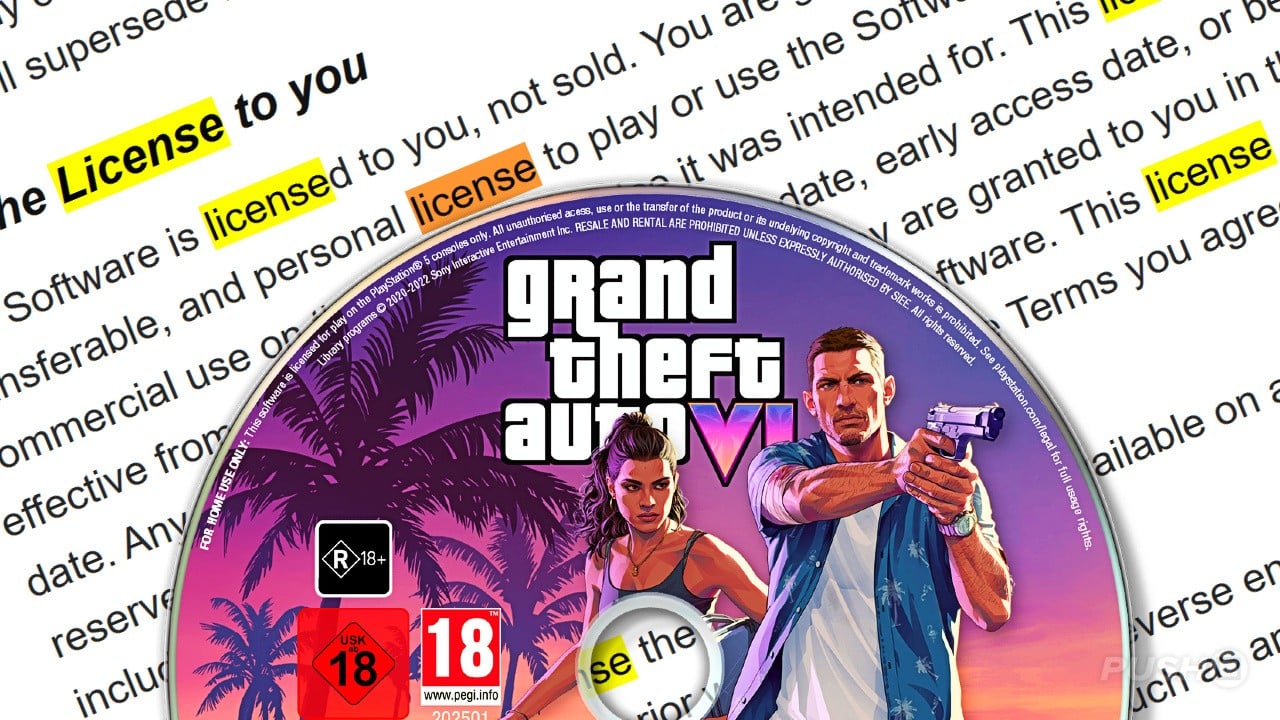
Sony has stirred up yet another storm on social media after reminding PlayStation 5 owners that the digital games they buy aren’t really “theirs.” According to the fine print, every digital purchase on the PlayStation Store is a license to access content — not an outright sale. Cue the outrage. But here’s the twist that everyone seems to be ignoring: Steam, Xbox, and Nintendo all say exactly the same thing.
Licensed, Not Sold: What Sony’s Terms Really Mean
When you hit the “Buy” button on the PlayStation Store, what you’re actually doing is purchasing a revocable license to download and play that game. Sony’s terms make it clear that digital content is granted rather than sold, meaning the platform holder ultimately retains control over how and when that content can be accessed. It’s the kind of legal language that has quietly existed in virtually every digital storefront for well over a decade — it just rarely makes headlines.
Why the Internet Is Furious at Sony
As Push Square points out, there’s an old adage that fits this situation perfectly: once you dislike someone, you pretty much end up despising everything they do. That’s the trap Sony appears to be caught in right now. A vocal contingent of social media users has turned against the company, and seemingly every announcement, price tag, or terms-of-service reminder becomes fresh ammunition for criticism.
A PR Spiral Powered by Distrust
The frustration isn’t happening in a vacuum, either. Years of rising game prices, store closures, and delisted titles have steadily eroded player trust in digital ecosystems. So when Sony restates something that has been true since the early days of digital distribution, it lands very differently than it might have a decade ago.
The Awkward Truth: Everyone’s Fine Print Reads the Same
Here’s the part the outrage tends to skip over. Valve’s Steam Subscriber Agreement describes purchases as grants of a limited, revocable license. Microsoft’s Xbox terms follow the same structure, and Nintendo’s account agreements aren’t any more generous. In other words, if you’re buying games digitally anywhere, you’re licensing them — not owning them. Singling out Sony may feel satisfying, but it doesn’t reflect how the industry actually operates.
The Bigger Digital Ownership Conversation
This debate has been heating up industry-wide. High-profile incidents — such as online-only games being switched off and rendered unplayable for paying customers — have pushed digital ownership into the mainstream conversation. Regulators have started paying attention as well, with new disclosure rules pushing storefronts to be more transparent about the fact that customers are buying licenses rather than permanent copies. Meanwhile, some PC storefronts have built their entire reputation on DRM-free offline installers as a consumer-friendly alternative.
What Gamers Can Actually Do About It
Until the industry shifts, players can take a few practical steps:
- Buy physical copies when a true “keep forever” copy matters to you
- Favor storefronts that offer offline installers or DRM-free downloads
- Budget your digital spending wisely instead of building enormous libraries you merely license
And if you do prefer shopping digitally, it pays to top up smart. You can grab PlayStation Store gift cards, Steam wallet codes, and game keys at competitive prices over at TURGAME.com, keeping your digital spending flexible without linking your card to every storefront.
The Bottom Line
Sony’s reminder might feel like a slap in the face, but it’s a legal reality shared by every major platform — Sony just happens to be the company everyone loves to hate at the moment. The real conversation shouldn’t be about one platform holder’s fine print, but about whether the entire industry’s “Buy” button needs an honest rename.
Source: Push Square – Sony Reminds PS5 Owners Their Digital Games Are Licensed, Not Sold
Source: Push Square