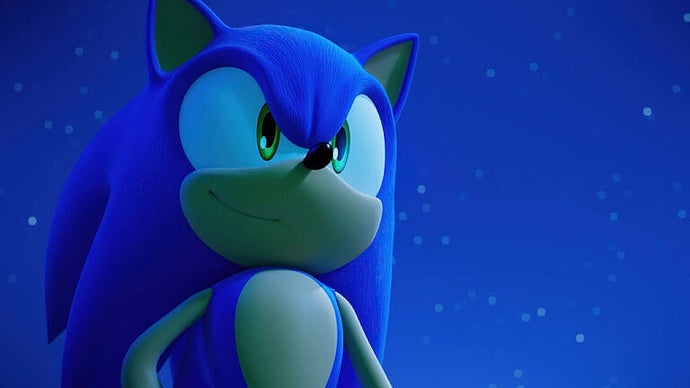
The video game industry is in the middle of a full-blown remake boom. Scroll through the Steam front page and you’ll stumble over rebuilt classics, polished remasters, and modernized reimaginings of titles that originally launched ten or twenty years ago. Publishers love them, players keep buying them, and nostalgia has proven to be one of the most reliable moneymakers in modern gaming. But not everyone is convinced that remakes are the inevitable future of game development — and one of the industry’s most recognizable figures is pushing back against the trend.
Takashi Iizuka Isn’t Buying the Remake Hype
Takashi Iizuka, the head of Sonic Team and one of the longest-serving figures behind the blue blur, has dismissed the idea that remakes are an unavoidable part of every franchise’s roadmap. As he put it in comments reported by Rock Paper Shotgun, with a remake “you’re essentially providing the same experience again.”
It’s a refreshingly blunt assessment from a developer whose studio has spent decades experimenting with new ideas rather than endlessly repackaging old ones. For Iizuka, the appeal of game development appears to lie in crafting fresh experiences — new mechanics, new worlds, new ways to play — rather than delivering a familiar adventure with a modern coat of paint.
Why the Games Industry Loves Remakes So Much
Nostalgia Sells — and Sells Well
There’s a simple reason remakes have become so pervasive: they work. Titles like the Resident Evil remakes, Final Fantasy VII Remake, and the Dead Space remake have all performed strongly commercially and critically. They tap into fond memories of a “better time,” offering players a brief return to the feelings of childhood gaming — a comforting proposition in an era when many players crave familiarity.
Lower Risk for Publishers
From a business perspective, remakes are simply less risky than new IP. The brand recognition is already established, the fanbase already exists, and the core design has already proven itself. In an industry increasingly wary of gambles, remaking a beloved classic is often seen as close to a guaranteed return on investment.
Sonic Team’s Actions Back Up the Words
Iizuka’s stance isn’t just talk — Sonic Team’s recent output supports it. The studio has leaned heavily into original projects, from the open-zone reinvention of Sonic Frontiers to the classic-style 2D platforming of Sonic Superstars and the inventive Sonic Dream Team. These are games built around new ideas, not recreations of past glories.
That said, Sonic’s classic adventures haven’t been locked away. Collections like Sonic Origins keep the original Genesis-era titles accessible, and projects like Sonic x Shadow Generations pair refreshed legacy content with brand-new campaigns. It’s a sensible balance: preserve the past through re-releases, but reserve the studio’s main creative energy for what comes next.
What This Means for the Future of Sonic
For fans, Iizuka’s comments should come as encouraging news. Rather than waiting years for a ground-up remake of a favorite title, Sonic enthusiasts can expect the series to keep evolving — taking risks, introducing new gameplay styles, and pushing the franchise into unfamiliar territory. Given that Sonic Frontiers proved there’s real appetite for bold reinvention, doubling down on originality seems like a strategy with genuine momentum behind it.
In an industry where the remake treadmill sometimes feels inescapable, it’s nice to hear a studio leader argue that moving forward matters more than looking backward. Sometimes the best way to honor a classic is to try building the next one.
Want to experience Sonic’s original modern adventures for yourself? You can pick up Sonic game codes, Steam wallet gift cards, and more at TURGAME.com at competitive prices.
Source: Rock Paper Shotgun
Source: Rock Paper Shotgun