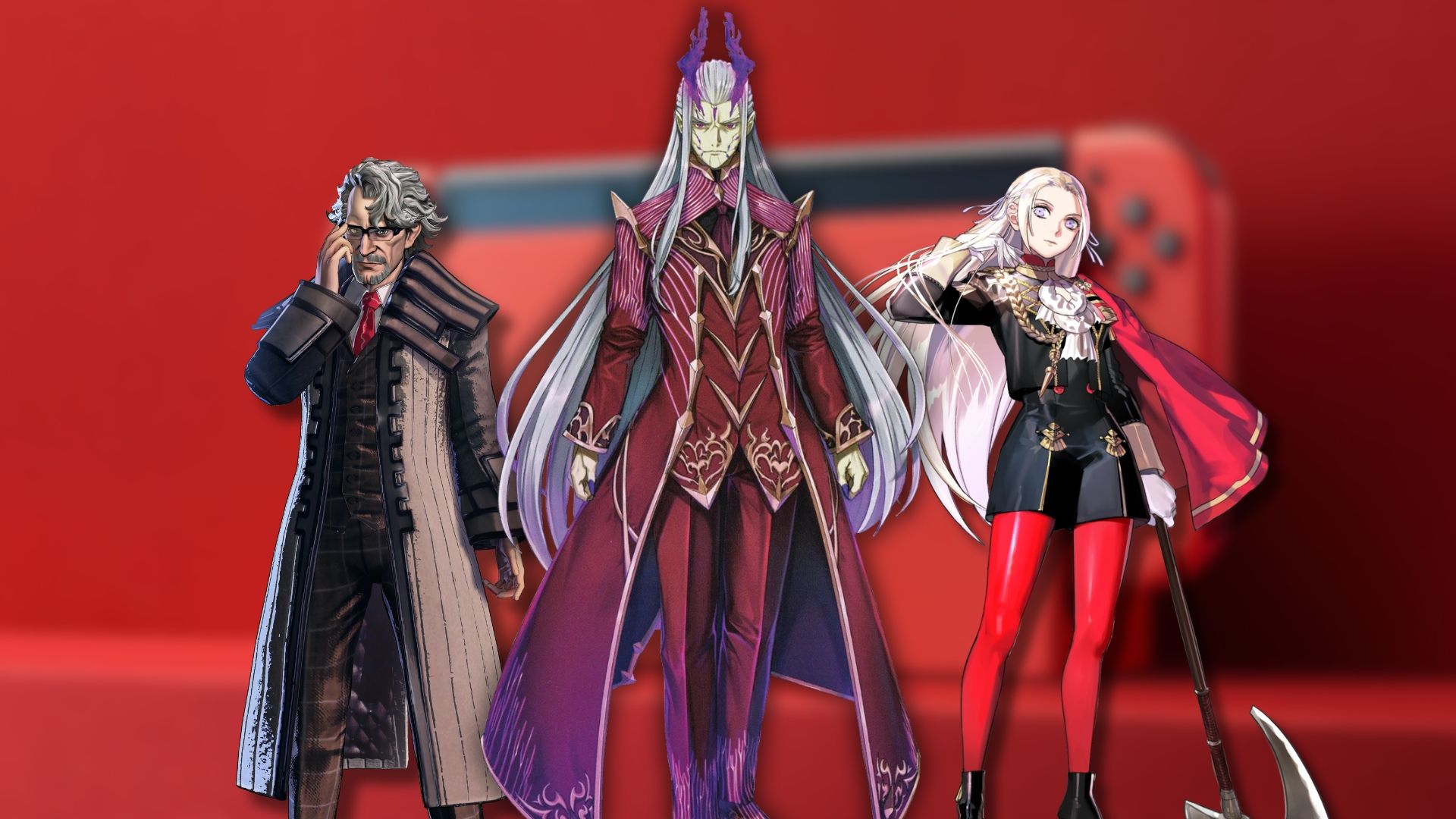
Every JRPG fan knows the feeling: you’re supposed to be rooting for the plucky hero and their ragtag party of friends, yet somehow you can’t stop thinking about the villain. The Nintendo Switch has become a goldmine for Japanese RPGs, and many of them feature antagonists so well-written, so tragically motivated, or just plain fun to watch that they end up being the most memorable part of the entire adventure. Inspired by a recent feature from DualShockers, here’s a closer look at eight Switch JRPGs where the bad guy arguably outshines the good guy.
Why We Love a Great JRPG Villain
The best villains in Japanese RPGs are rarely evil for evil’s sake. They challenge the hero’s ideals, force players to question their own choices, and often carry backstories more emotionally complex than the protagonists themselves. When a villain’s philosophy lands just right, finishing the game can feel genuinely bittersweet.
The Games That Nail It
Xenoblade Chronicles: Definitive Edition
Monolith Soft’s epic is famous for its twists, and its antagonists benefit enormously from them. With taunting menace and a genuinely shocking true identity reveal, the villains of Xenoblade deliver some of the most quotable and chilling moments on the platform.
Fire Emblem: Three Houses
Depending on the route you choose, the “villain” can become your closest ally. Edelgard’s revolution is one of gaming’s great moral gray areas, and many players finish the game convinced she had a point — a testament to how strongly her character resonates compared to the more passive player avatar, Byleth.
Dragon Quest XI S: Echoes of an Elusive Age
While Luminary is a likeable hero, the darkness surrounding Mordegon and the tragedy lurking beneath the game’s fairy-tale surface give the antagonist a weight that lingers long after the credits roll.
Shin Megami Tensei V
Atlus famously blurs the line between hero and villain. The gods and demons competing to reshape the world each present persuasive visions of reality, making the Nahobino’s silent journey feel like a battle of ideas rather than simple good versus evil.
Bravely Default II
The Asterisk holders and the forces pulling strings behind the crystals bring charisma and moral ambiguity that often outshine the fairly traditional hero party.
Octopath Traveler II
Square Enix’s HD-2D sequel hides some truly sinister antagonists behind its gorgeous pixel-art veneer, and their motivations frequently prove more interesting than the travelers’ straightforward personal quests.
Ni no Kuni: Wrath of the White Witch
Oliver is a sweet, grieving boy — but Shadar and the White Witch carry a tragedy that gives this Ghibli-flavored tale its emotional core, and their story is the one many players remember.
Tales of Vesperia: Definitive Edition
Yuri Lowell is a beloved protagonist, but the game’s antagonists raise philosophical questions about law, justice, and vigilantism that give the conflict surprising depth for a Tales title.
The Takeaway: Morally Gray Is Here to Stay
Looking at this lineup, a clear trend emerges: modern JRPG writers increasingly treat villains as co-leads rather than obstacles. Games like Fire Emblem: Three Houses and Shin Megami Tensei V prove that players embrace antagonists with understandable, even sympathetic goals. It’s a storytelling evolution that makes the genre richer — and makes replaying these adventures to see the “other side” all the more rewarding.
Grab These JRPGs for Less
Want to dive into any of these adventures yourself? You can pick up Nintendo eShop gift cards and game codes at TURGAME.com, a great way to top up your balance and download these titles without waiting for a physical copy. Several of these games also go on sale regularly, so a loaded eShop wallet goes a long way.
Source: 8 Nintendo Switch JRPGs Where the Villain Feels More Compelling Than the Hero – DualShockers
Source: DualShockers