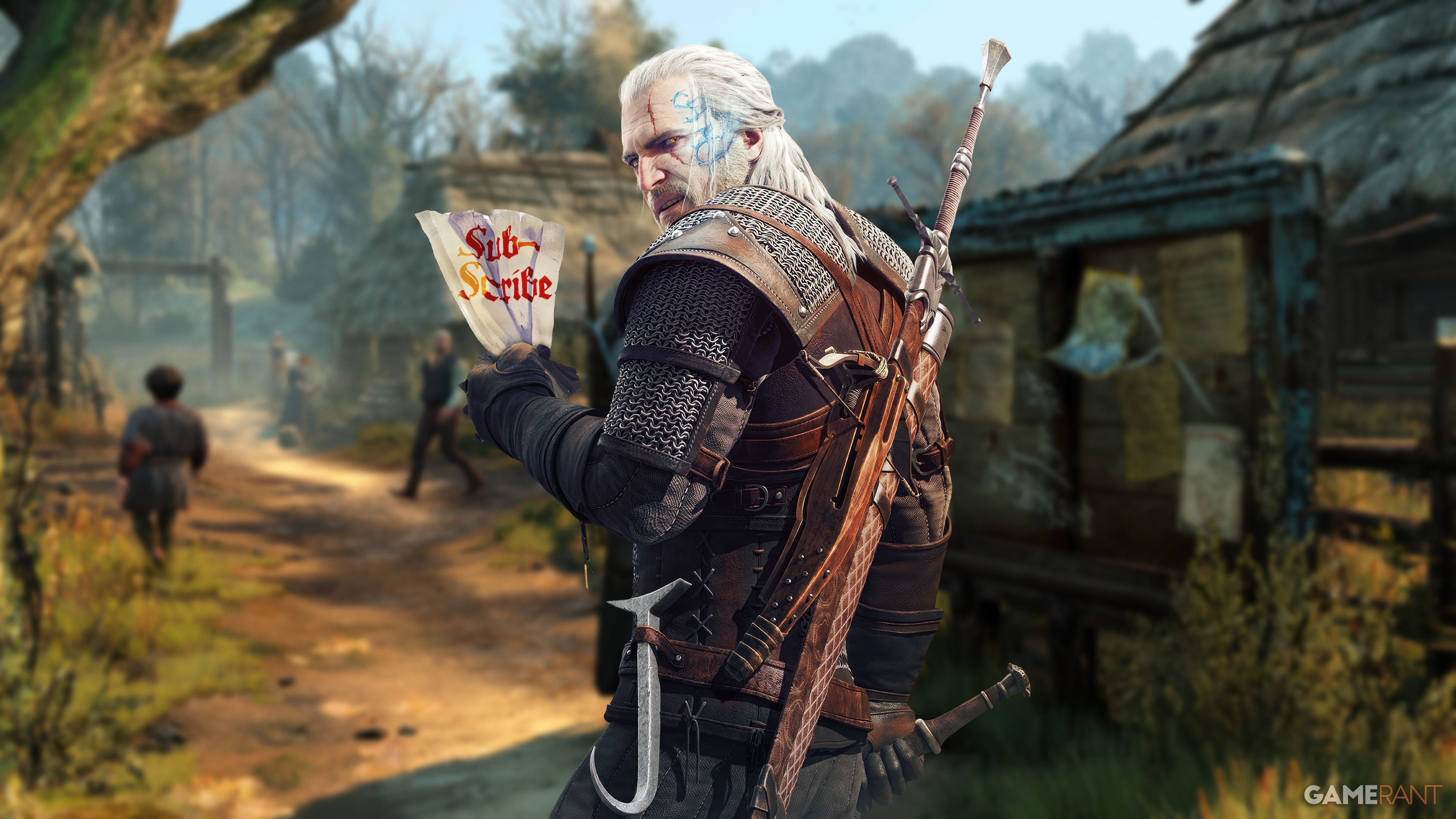
Nearly ten years after Geralt of Rivia first rode onto our screens, The Witcher 3: Wild Hunt remains the benchmark by which all open-world RPGs are judged. But while most single-player titles fade into memory after a year or two, CD Projekt Red’s masterpiece has adopted a strategy that looks remarkably similar to the live-service model typically reserved for multiplayer giants like Fortnite or Destiny. The difference? No battle passes, no microtransactions – just a genuinely evolving game that keeps giving fans reasons to return.
A Steady Stream of Content Since Day One
Long before “games as a service” became an industry buzzword, CD Projekt Red was already practicing its own version of it. In the months following The Witcher 3’s launch in May 2015, the studio rolled out an impressive sixteen free DLC packs, ranging from new quests and armor sets to alternate looks for major characters. This generosity stunned players accustomed to paying for every scrap of post-launch content.
Expansions That Rival Full Games
The paid content was equally ambitious. Hearts of Stone and Blood and Wine weren’t your typical add-ons – the latter was essentially a full-sized RPG in its own right, introducing the vibrant region of Toussaint and dozens of hours of new content. Together, these expansions helped push The Witcher 3 past 50 million copies sold, making it one of the best-selling RPGs of all time.
The Next-Gen Update That Refused to Let Geralt Retire
Perhaps the clearest example of The Witcher 3’s live-service DNA arrived in December 2022. While most publishers would have charged full price for a remaster, CD Projekt Red gave existing owners a free next-gen upgrade featuring ray tracing, faster load times, and a overhauled visuals across PC, PlayStation 5, and Xbox Series X/S.
New Quests in a Decade-Old Game
In true live-service fashion, the update didn’t just polish the graphics – it added fresh content. A brand-new quest inspired by the Netflix Witcher series, “In the Eternal Fire’s Shadow,” gave longtime fans something they never expected: new adventures in a game they’d already completed years earlier. Netflix-themed armor and alternative looks for Dandelion further blurred the line between a finished product and a living, breathing platform.
Modding Tools Keep the World Alive
The release of REDkit, CD Projekt Red’s official modding toolkit, took things even further. By empowering the community to build new quests, locations, and overhauls, the studio effectively handed the live-service baton to its most dedicated fans. Much like Bethesda’s support of Skyrim modding, this decision ensures The Witcher 3 will remain playable and fresh for years to come – a longevity strategy that most single-player developers never attempt.
Live-Service Without the Baggage
Here’s what makes this comparison so fascinating: The Witcher 3 demonstrates everything that live-service games should be. There’s no FOMO-driven seasonal content, no store pushing cosmetic purchases, no servers waiting to be shut down. Instead, players receive meaningful free updates, substantial paid expansions, and long-term support that respects their initial purchase. In an era where even single-player games increasingly feature online requirements and monetization, The Witcher 3’s approach feels almost revolutionary – proving that ongoing support and player-friendly practices aren’t mutually exclusive.
Jump Into the Continent Yourself
If you’ve somehow missed Geralt’s final hunt, there’s never been a better time to start. You can grab The Witcher 3: Wild Hunt game keys, along with Steam, GOG, PlayStation, and Xbox gift cards at TURGAME.com, where instant delivery makes diving into the Continent easier than casting Aard. With the next chapter of the saga, Project Polaris, still on the horizon, there’s plenty of time to experience the game that redefined what long-term single-player support can look like.
Source: GameRant