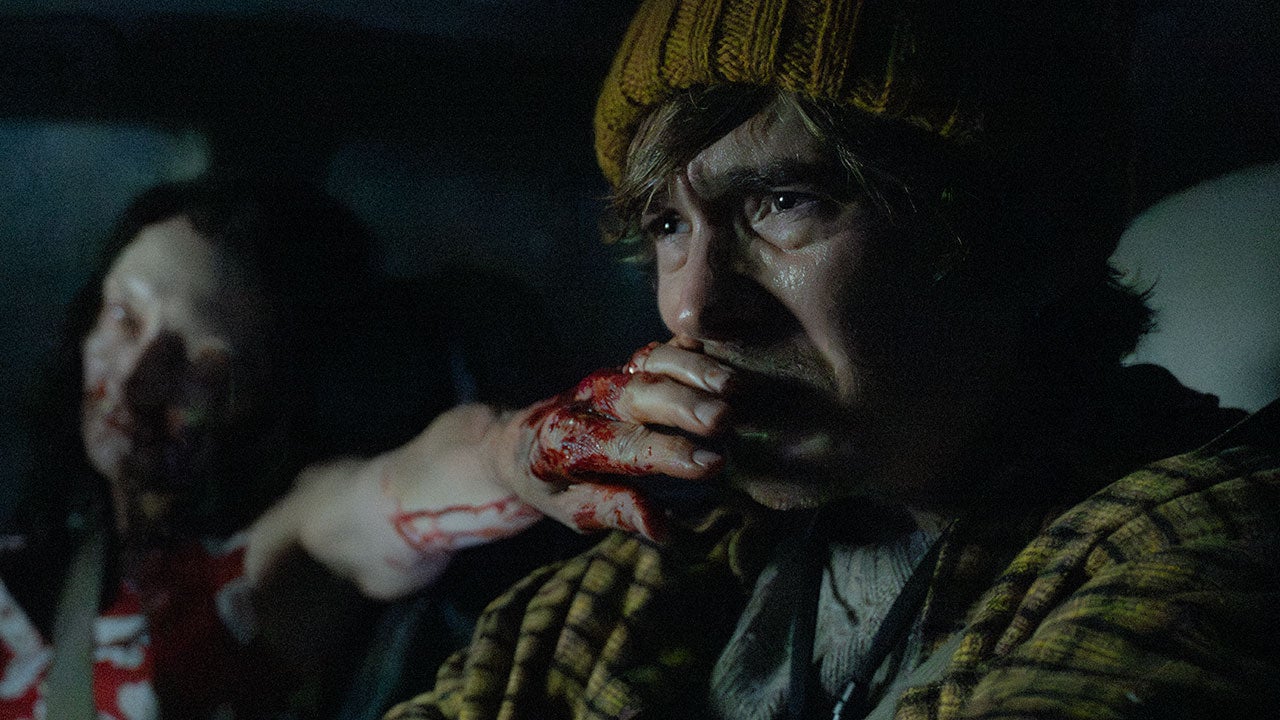
Zach Cregger’s Resident Evil reboot has finally arrived, and it’s unlike any adaptation of Capcom’s survival-horror legend we’ve seen before. Slow-burn, atmospheric, and character-driven, the 2026 film trades action set pieces for drEad — until its explosive finale. If you walked out of the theater with questions, you’re not alone. Here’s the Resident Evil movie ending explained, whether you need to stick around for a post-credits scene, and what it all means for the future of the franchise. Full spoilers ahead.
Recap: How Resident Evil Sets Up Its Ending
Billy Coen’s Death Row Confession
The film tells two intertwined stories. Years after the events of Raccoon City, former Marine Billy Coen (Austin Abrams) sits on death row, recounting the worst night of his life. His testimony frames the entire movie — and keeps us asking exactly how an innocent man ended up condemned.
The Outbreak in Raccoon City
Flash back to 1998: a young boy named Bobby is scraping by in Raccoon City while his older sister works grueling shifts at the local hospital. There, Dr. William Birkin (Paul Walter Hauser) is quietly running “clinical trials” for the Umbrella Corporation. When the virus slips containment, the hospital descends into carnage, and Billy’s story collides with Bobby’s deep beneath the Arklay Mountains.
The Ending Explained
Birkin, the G-Virus and the Tyrant
After Umbrella moves to seize his research and silence him, a cornered Birkin does what Birkin does best in the games: he injects himself with the G-virus and transforms into a rampaging monster. In the chaos, the company’s other masterpiece — the Tyrant — is unleashed. Billy manages to bring the creature down in a climactic sequence ripped straight from classic Resident Evil DNA, and the survivors escape as the facility burns around them.
Why Billy Takes the Fall
But there’s no happy ending. Umbrella’s cleanup crews arrive with the lawyers close behind, the evidence vanishes, and the massacre is pinned squarely on Billy. That’s the trap door the movie opens with — it’s why we meet him awaiting execution. It’s a clever loop that mirrors his backstory from Resident Evil 0, where Billy was framed for crimes he didn’t commit, and it hammers home the film’s central thesis: to Umbrella, ordinary people are just numbers on a balance
Source: IGN