Modern game design loves guardrails. Quest markers, linEar corridors, tutorials that last hours — today’s RPGs often feel afraid to let players make their own mistakes. But back in the 16-bit era, the SNES library was full of action RPGs that handed you a sword, pointed at a vast world, and simply said “go.” As GameRant recently highlighted, several near-perfect SNES action RPGs offered more control over your parties, worlds, and adventures than many contemporary releases ever dare to.
What Made 16-Bit Freedom Feel So Special
Without voice acting, cinematic cutscenes, or expensive set pieces to protect, SNES developers could build games around genuine player choice. Party composition, exploration order, and even entire storylines could shift depending on how you played. The result? Adventures that felt personal in a way that many modern, heavily scripted titles struggle to replicate.
The SNES Classics That Put Players in Charge
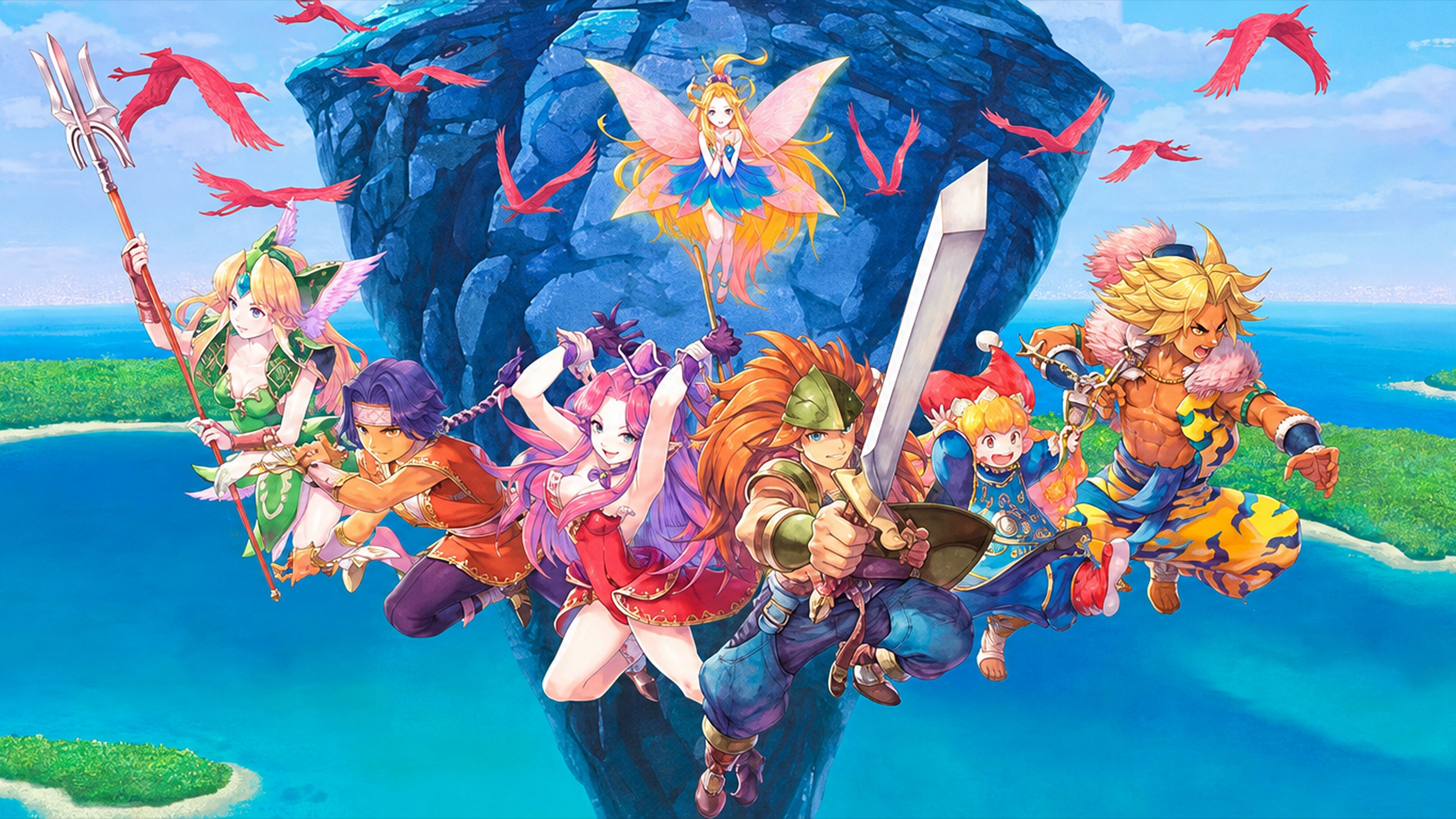
Trials of Mana (Seiken Densetsu 3)
Perhaps the ultimate example of party freedom. Before the game even begins, you choose a party of three heroes from a roster of six — and that decision changes which of three interlocking storylines you experience. Different party combinations create genuinely different playthroughs, a level of replayability many modern RPGs don’t attempt.
Secret of Mana
Square’s 1993 classic broke the mold with real-time combat and, remarkably, three-player co-op via the Super Multitap. Exploring its colorful overworld with two friends on the couch remains a co-op experience modern JRPGs have barely touched since.
Soul Blazer
Quintet’s cult favorite let you gradually resurrect entire towns by freeing trapped souls in dungeons. Watching villages rebuild themselves, inhabitant by inhabitant, gave exploration a tangible, rewarding purpose.
Illusion of Gaia and Terranigma
The rest of Quintet’s unofficial trilogy pushed world-shaping mechanics even further. Terranigma in particular tasked players with reviving continents, plants, animals, and eventually humanity itself — a level of consequence that makes most modern world maps feel static by comparison.
Secret of Evermore
Developed by Square’s American studio, this quirky adventure sent a boy and his dog across wildly different regions — prehistory, antiquity, a medieval realm, and a sci-fi city — with an open-ended structure and an alchemy system that encouraged experimentation.
The Legend of Zelda: A Link to the Past
While leaning action-adventure, its dark world design, hidden secrets, and dungeon flexibility made it a blueprint for open exploration that countless modern games still borrow from.
Why Modern Games Play It Safer
There’s a simple economic reality behind today’s linearity: massive budgets mean developers can’t afford players missing expensive content. Hand-crafted cutscenes and scripted moments demand a controlled experience. The SNES era, limited by cartridges rather than cinematics, accidentally became a golden age of player autonomy — and titles like the Secret of Mana series and Quintet’s trilogy still set a standard worth chasing.
Relive the Golden Age Today
The good news? Many of these classics are more accessible than ever. Collections like Collection of Mana and remakes such as Trials of Mana and Secret of Mana are available on modern platforms, while the Live A Live remake proved there’s real appetite for experimental 16-bit design. If you’re looking to grab digital game codes, wallet top-ups, or gift cards to expand your retro RPG library, TURGAME.com offers a quick and secure way to stock up on credit for your favorite digital storefronts.
Sometimes the best way forward for game design is looking back — and these SNES legends prove that trusting the player never goes out of style.
Source: GameRant – 7 Near-Perfect SNES Action RPGs With More Freedom Than You Get Today