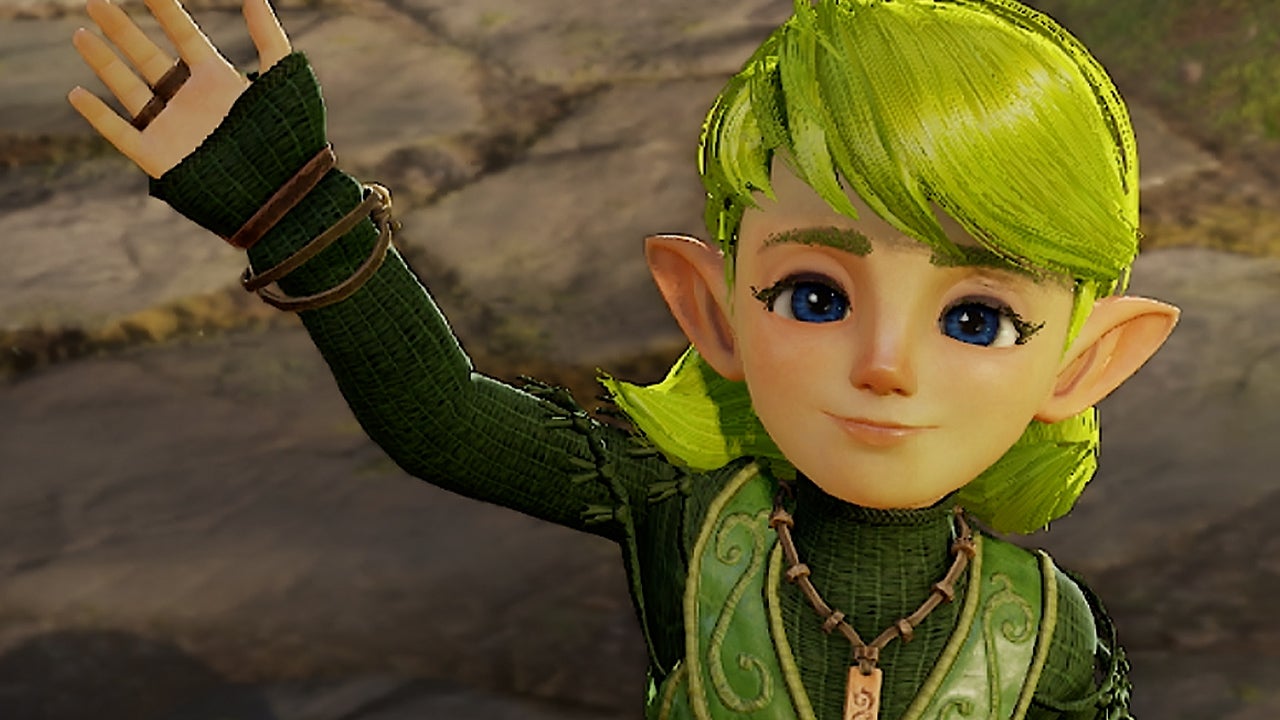
It would have been easy for Nintendo to give The Legend of Zelda: Ocarina of Time a simple visual polish for the Switch 2 and call it a day. But judging by a detailed hands-on preview from IGN, the development team behind the upcoming remake treated this as a genuine reimagining rather than a lazy remaster. After spending more than an hour with the game on Switch 2, IGN’s previewer — a veteran who has finished the original N64 classic multiple times — catalogued a whopping 29 notable changes, and they reveal a thoughtful philosophy behind recreating Hyrule’s most famous adventure.
Puzzles Rebuilt Around Modern Controls
Perhaps the most significant overhaul involves the game’s dungeons. According to IGN, several puzzles in the Ocarina of Time remake have been outright redesigned so they align more naturally with the Switch 2’s control scheme. What worked for a three-pronged N64 controller in 1998 doesn’t always translate cleanly to modern thumbsticks and buttons, and rather than forcing players to adapt, the developers adjusted the puzzles themselves.
A Quiet but Meaningful Design Shift
This is a telling decision. It suggests the team recognized that faithfulness to the original isn’t just about preserving layouts — it’s about preserving the feeling of solving a dungeon. If a puzzle becomes clunky under new controls, it no longer serves its purpose, and tweaking it is arguably the more respectful choice.
Miniboss Fights Get a Second Life
Anyone who has played the original dozens of times knows that miniboss encounters could become routine — you learn the pattern once and repeat it forever. The remake apparently addresses this directly. IGN reports that miniboss fights have been redesigned, with each round of these encounters spiced up to keep even series veterans on their toes. For longtime fans, that means muscle memory alone won’t carry you through Hyrule this time around.
Easier Navigation Without Hand-Holding
Another welcome quality-of-life change comes in how players move through the world. The remake introduces new shortcuts and context clues that make navigation far more intuitive. Instead of bombarding players with quest markers or intrusive map icons, the game uses environmental hints and smarter level design to gently steer you in the right direction — a modern touchstone of good game design that doesn’t sacrifice the spirit of exploration that made the original special.
Deeper Dialogue Adds Narrative Texture
It’s not just gameplay systems getting attention. IGN’s preview also highlights expanded and deeper dialogue throughout the adventure. NPC conversations apparently carry more weight and detail, giving Hyrule’s residents more personality and making the world feel more alive than it did on the Nintendo 64 — or even in previous rereleases.
What This Tells Us About the Remake’s Philosophy
Taken together, these 29 changes paint a picture of a development team that put “everything on the table,” as IGN describes it. This is a remake built with two audiences in mind: newcomers arriving from Tears of the Kingdom and Breath of the Wild who expect modern conventions, and diehard fans who deserve more than a nostalgia cash-grab. Striking that balance is notoriously difficult, but early impressions suggest this remaster leans into thoughtfulness over sheer fidelity.
For a game that regularly tops “greatest of all time” lists, any change is a risk. Yet the willingness to redesign puzzles, rebalance minibosses, and enrich dialogue signals confidence — and respect — toward the source material. If the full release maintains this level of care across all of Hyrule, the Zelda: Ocarina of Time Switch 2 remake could set a new standard for how classics are revived.
Where to Get Nintendo eShop Funds for Launch
Planning to jump into this reimagined Hyrule at launch? You can stock up on Nintendo eShop gift cards and game codes at TURGAME.com, where digital top-ups are delivered quickly so you’ll be ready to download the remake the moment it goes live.
Source: IGN — 29 New Changes in the Zelda: Ocarina of Time Remake
Source: IGN