Xbox Game Pass has been hailed as “the best deal in gaming” for years, but not everyone inside Microsoft’s orbit agrees with how the subscription service is being run. Andrew Willis, a former producer at Xbox, has delivered a blunt verdict on the platform, calling it “extremely poorly managed” and arguing that the Doom franchise should never have been placed on the service in the first place.
An Insider’s Brutal Assessment
Speaking candidly about his time in the industry, Willis did not mince words when discussing Microsoft’s flagship subscription offering. According to the former producer, Game Pass suffers from fundamental mismanagement at the strategic level — a claim that cuts against the carefully polished narrative Microsoft has built around the service since its launch in 2017.
His most pointed criticism targeted the decision to bring Doom, one of gaming’s most iconic and commercially reliable franchises, into the Game Pass library. In Willis’s view, a blockbuster brand with that kind of selling power doesn’t need the boost of a subscription bundle — and putting it there potentially undermines its full-value sales potential.
Why Doom on Game Pass Raised Eyebrows
The logic behind the criticism is straightforward. Franchises like Doom have decades of loyal fans and consistently strong launch sales. When a title of that caliber drops into a subscription catalog on day one, some players who would have happily paid full price instead experience it as part of a monthly membership — revenue that Microsoft absorbs rather than reinvests into traditional sales figures.
This tension sits at the heart of the long-running “Game Pass cannibalization” debate. Critics have argued for years that day-one first-party releases train consumers to wait for the subscription rather than buy games outright, while defenders point to increased player counts, discoverability for smaller titles, and steady recurring revenue as counterweights.
The Bigger Picture for Microsoft’s Subscription Strategy
Willis’s comments arrive at an awkward moment for Xbox. The company has leaned heavily into Game Pass as the centerpiece of its ecosystem strategy, while simultaneously embracing multiplatform releases that put former exclusives on PlayStation and Nintendo hardware. Recent price adjustments across Game Pass tiers have also sparked frustration among subscribers, making management of the service’s perceived value more important than ever.
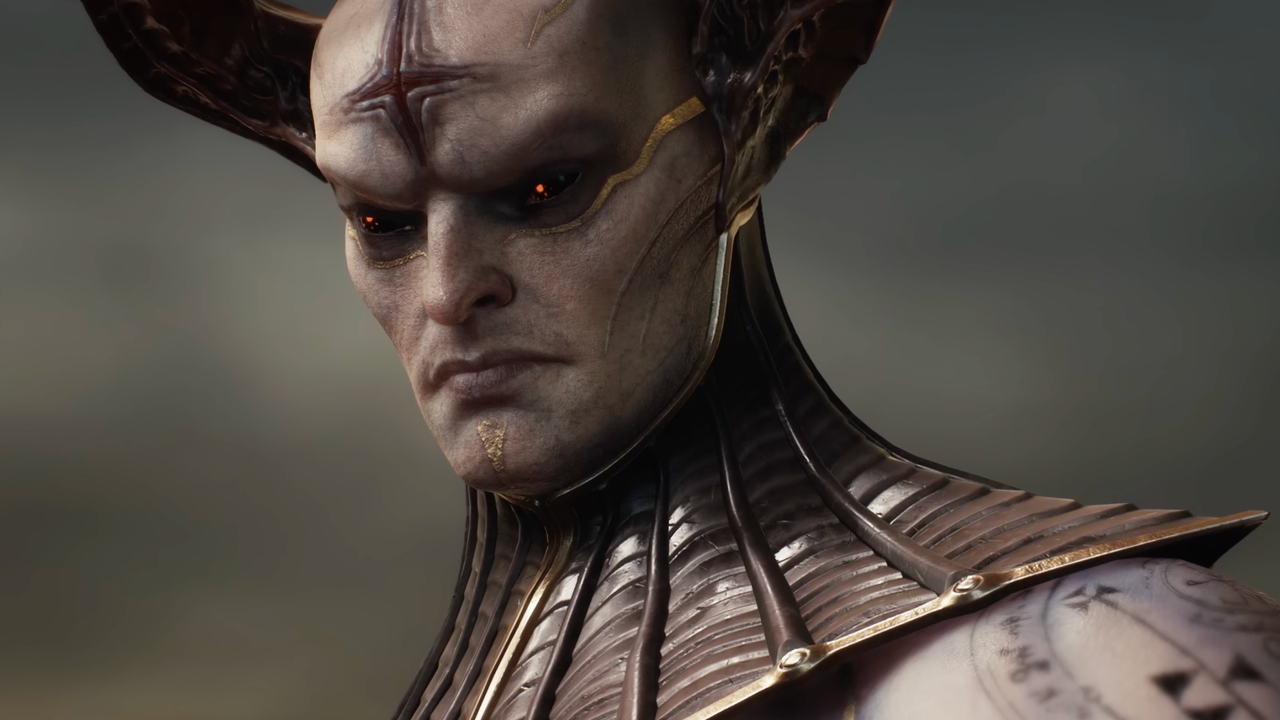
For a franchise like Doom — which recently expanded with the critically acclaimed Doom: The Dark Ages landing on Game Pass at launch — the stakes are particularly high. Microsoft needs its premium tentpole releases to justify both the subscription’s price tag and its own massive development budgets. If former insiders believe those releases are being mishandled, it raises real questions about how Microsoft measures success: player engagement, subscription growth, or plain old sales revenue.
What This Means for Players
From a consumer perspective, Game Pass remains undeniably attractive — instant access to hundreds of games, including day-one launches, represents genuine value. But if voices from within the industry continue to question the service’s long-term sustainability, subscribers may wonder whether the current model can survive without significant changes to pricing, content strategy, or release timing.
For now, Game Pass isn’t going anywhere, and neither are day-one Bethesda launches. Whether Microsoft adjusts course in response to criticism like Willis’s — or doubles down on its subscription-first vision — will be one of the most closely watched stories in gaming over the next few years.
If you want to jump into Game Pass or pick up Doom titles for yourself, you can grab Xbox gift cards and game codes at discounted prices at TURGAME.com, a quick and reliable way to top up your gaming library.
Source: GamesRadar
Source: GamesRadar