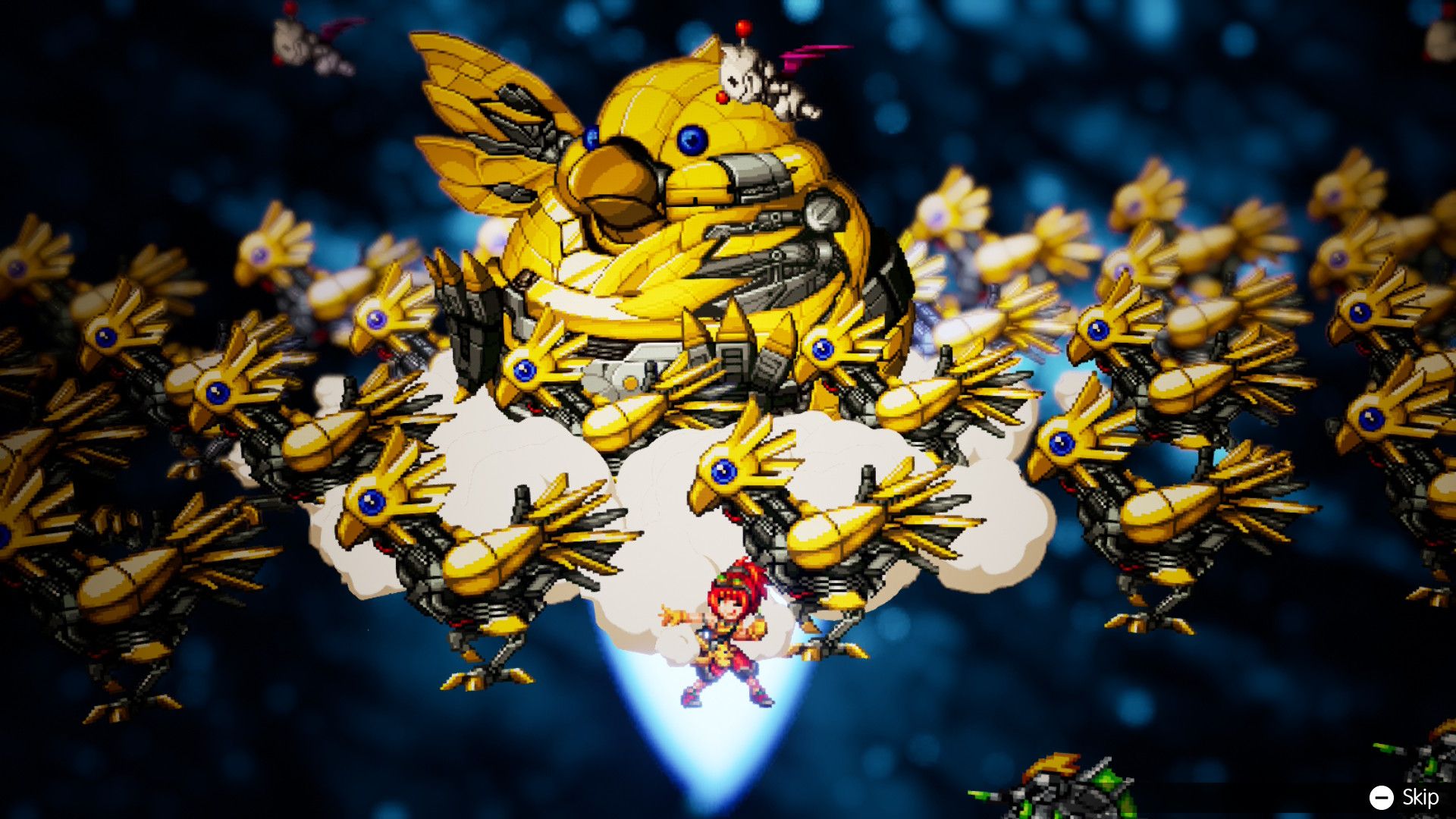
Square Enix has built a reputation over the yEars for porting its classic JRPG catalog to nearly every platform imaginable, sometimes with little more than a fresh coat of paint. But according to new comments from director Keisuke Nakashima, the upcoming Final Fantasy Resonance nearly followed that same well-worn path – until he pushed back hard against the publisher’s executives.
A Director Who Wanted More Than a Quick Cash-In
In a revealing new interview, Nakashima opened up about the internal struggles behind the project’s development. According to the director, there was significant pressure from within Square Enix to treat Resonance as a straightforward port job – a low-effort, low-cost way to bring the beloved JRPG to a new audience with minimal investment.
Nakashima, however, had other plans. “I didn’t want to go down that route,” he explained, describing how he fought to secure the resources and creative freedom needed to make Resonance something far more ambitious than a simple re-release.
Why the Fight Mattered
For longtime Final Fantasy fans, this kind of commitment could make all the difference. Square Enix’s track record with ports and remasters has been inconsistent. While some projects, like the Pixel Remaster series, eventually won over skeptical players after post-launch patches, others were criticized at launch for blurry visuals, awkward fonts, and missing quality-of-life features.
A “basic port” approach for a game with the legacy and fan expectations tied to a classic Final Fantasy title would almost certainly have drawn criticism. Nakashima’s willingness to clash with executives suggests the team understood that modern audiences expect more – updated visuals, refined gameplay systems, and an experience that respects the original while justifying a new purchase.
The Push for Creative Ambition at Square Enix
The story also offers a rare glimpse into the corporate dynamics at one of gaming’s biggest publishers. Developers pushing back against cost-conscious executives is nothing new in the industry, but it’s uncommon for a director to speak so openly about it before a game’s release.
That transparency may be a deliberate signal to fans. By making it clear that Resonance was shaped by creative conviction rather than a quick profit motive, Nakashima is effectively telling players: this project was a labor of love, not a checklist item on a quarterly earnings report.
What This Means for the Final Fantasy Brand
Square Enix finds itself at an interesting crossroads with the Final Fantasy franchise. Between mainline numbered entries, ambitious remakes like the Final Fantasy VII remake trilogy, and revivals of classic spin-offs, the publisher is clearly testing how much investment its back catalog deserves. If Resonance pays off creatively and commercially, it could encourage the company to greenlight more substantial reimaginings of its classic library – rather than settling for minimal-effort ports.
Conversely, if the gamble fails, executives may feel vindicated in their preference for cheaper, simpler re-releases. The stakes, in other words, extend well beyond a single title.
Final Thoughts
It’s refreshing to hear a developer openly champion quality over convenience, especially when it meant friction with the people controlling the budget. Whether Final Fantasy Resonance ultimately lives up to Nakashima’s ambitions remains to be seen, but the passion behind the project is undeniable – and that’s exactly the kind of story JRPG fans love to hear.
While we wait for more details on Resonance, there’s never been a better time to revisit the rest of the series. You can grab Final Fantasy game codes, Square Enix titles, and digital gift cards at discounted prices right now at TURGAME.com – your go-to store for instant game key delivery.
Source: GamesRadar