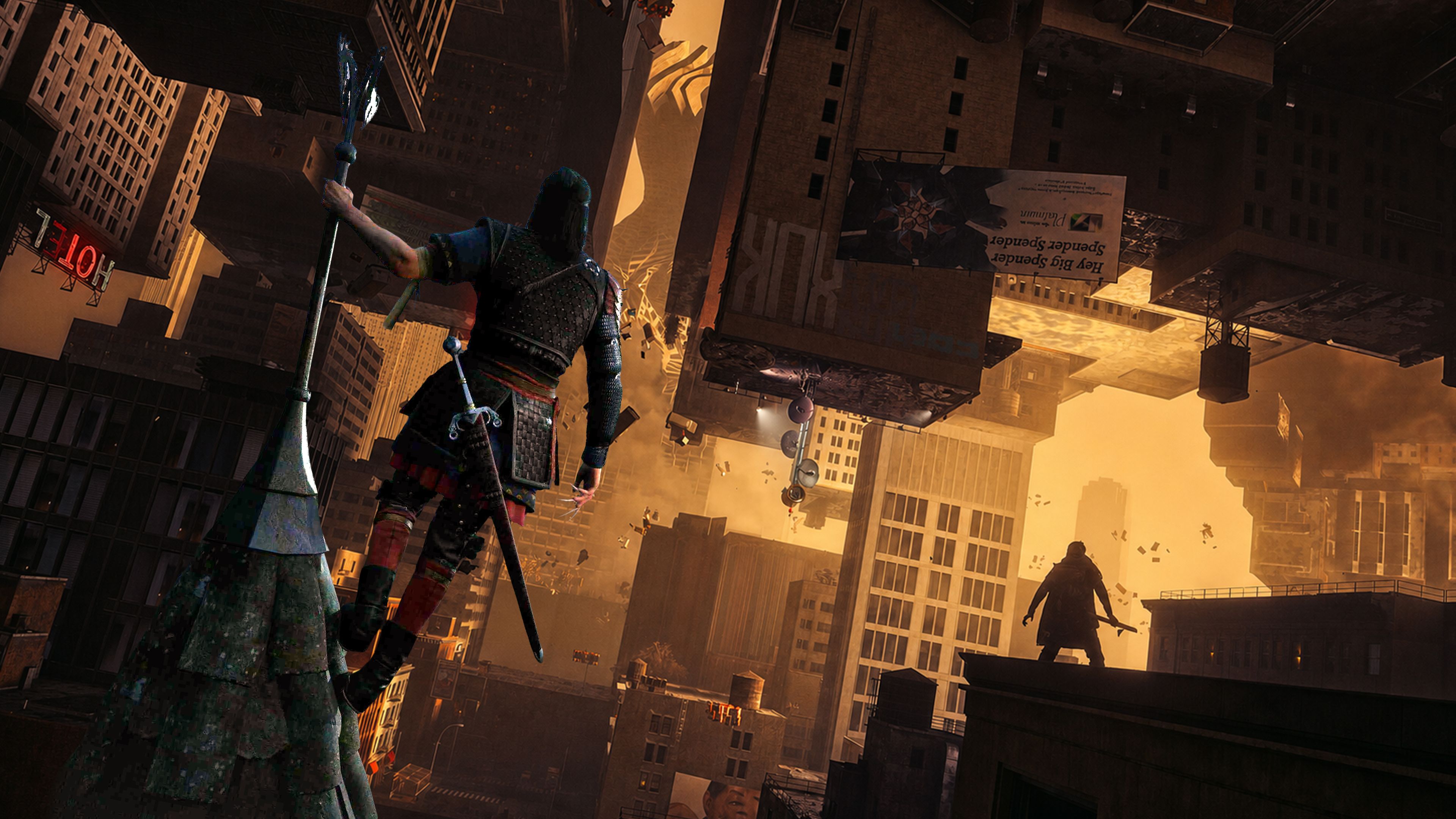
Great traversal can define an entire action game, and two of the most hotly anticipated titles currently in development are betting big on reality-bending movement. According to a recent comparison from GameRant, Remedy Entertainment’s Control Resonant and Rebel Wolves’ The Blood of Dawnwalker share a strikingly similar traversal concept — but only one of them truly nails the execution. Spoiler: it’s the one where gravity itself becomes your plaything.
Two Studios, One Reality-Bending Idea
The Blood of Dawnwalker, the debut RPG from Rebel Wolves — a studio founded by The Witcher 3 veterans — drops players into a dark, 14th-century Carpathia overrun by vampires. As the half-vampire Dawnwalker Coen, players can reportedly use a planeshift ability to slip between layers of reality, bypassing obstacles and reaching places that would otherwise be impossible. It’s one of the game’s most intriguing mechanics, blending vampire mythology with vertical exploration.
Control Resonant, the next chapter in Remedy’s acclaimed Control universe, arrives with an impressive pedigree. The original 2019 Control made physics-based destruction and telekinesis feel genuinely spectacular, and Remedy is now applying that same expertise to movement. The game’s gravity anomaly mechanic lets players warp and manipulate gravitational zones to soar, float, and hurtle through environments in ways that, according to GameRant’s hands-on impressions, feel dramatically more satisfying than the similar concept in Blood of Dawnwalker.
How Control Resonant’s Gravity Anomaly Raises the Bar
Physics That Actually Feel Powerful
Remedy has spent years refining how supernatural powers interact with game worlds, and it shows. Where planeshifting in Blood of Dawnwalker can reportedly feel more like a scripted transition between areas, Control Resonant’s gravity anomalies appear to be dynamic, reactive, and physics-driven — giving players genuine momentum and control rather than simply teleporting them from point A to point B.
Traversal and Combat in One Seamless Flow
Control built its identity on chaos: hurling concrete, desks, and debris at enemies while the environment crumbled around you. Early indications suggest Control Resonant weaves its gravity-based traversal directly into combat encounters, meaning movement isn’t just about getting around — it’s a tactical tool. That integration is where the mechanic elevates from interesting to essential.
Environments Built to Be Bent
The Federal Bureau of Control’s Oldest House was famous for its shifting, brutalist architecture. A game designed around gravity manipulation demands levels that reward experimentation, and Remedy’s world-building pedigree suggests the anomalies won’t just be set dressing — they’ll reshape how players read and navigate every space.
Why This Comparison Matters
History shows that a single signature traversal mechanic can define a generation of games — think web-swinging in Marvel’s Spider-Man or wall-running in Titanfall. Both Remedy and Rebel Wolves clearly understand this. The Blood of Dawnwalker’s planeshift remains a compelling hook that fits its gothic vampire fantasy, and the game has plenty of other strengths, from its day-night narrative structure to its Witcher-caliber storytelling DNA. But if GameRant’s comparison holds up, Control Resonant may have set a new benchmark for supernatural movement — and raised expectations for every reality-bending game that follows.
Prepare for Both Games with TURGAME
With The Blood of Dawnwalker targeting a 2026 release and Control Resonant deep in development at Remedy, now is the perfect time to stock up. Visit TURGAME.com to grab Steam gift cards, wallet codes, and game keys at great prices, so your library is ready the moment these two ambitious titles launch.
Source: GameRant