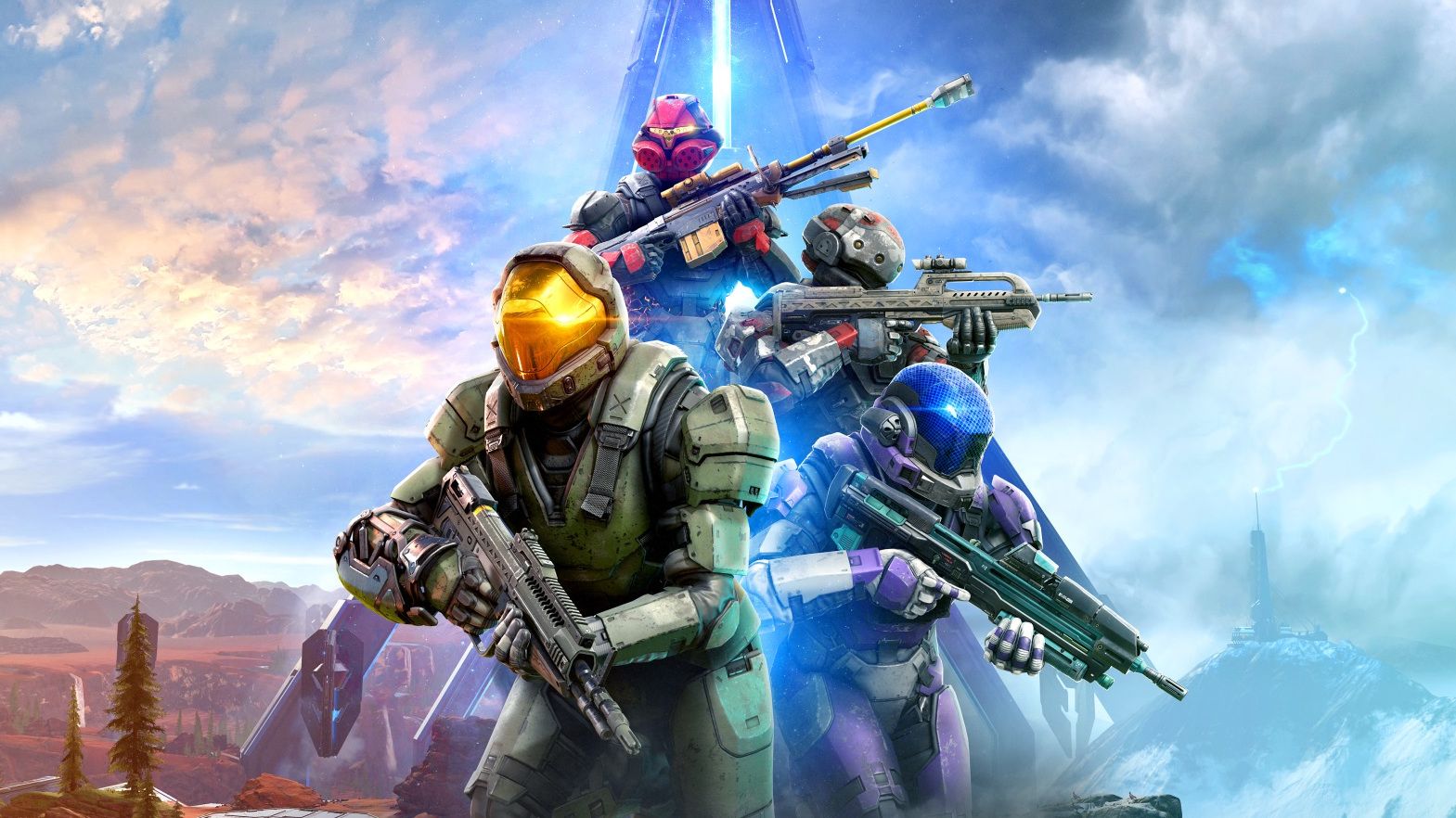
For more than two decades, Halo has been the beating heart of Xbox — the series that defined a console generation and set the bar for first-person shooters. Now, in one of the most dramatic shake-ups in the franchise’s history, Microsoft has gutted the studio built specifically to carry Master Chief forward and turned to Activision to help rescue its most iconic property. Change was needed. But as PC Gamer argues, the Call of Duty publisher now faces a colossal challenge in making it work.
A Drastic Reset for Halo Studios
The team formerly known as 343 Industries — rebranded as Halo Studios in late 2024 — was originally created to steward the franchise after Bungie moved on. That team has now been dramatically restructured, with deep job cuts and the departure of studio head Pierre Hintze. Gutting the organization that existed for one purpose — making Halo — is a drastic measure by any standard, and it signals that Microsoft believed incremental fixes were no longer enough.
Why Halo Needed to Change
The reasoning isn’t hard to find. Halo Infinite launched in 2021 with a well-received campaign but a troubled free-to-play multiplayer ecosystem. The aging Slipspace engine constrained development, content seasons arrived slowly, planned features were cut, and player counts steadily dwindled. The franchise that once ruled console shooters was struggling to stay relevant in a market dominated by battle royales and live-service giants.
The 2024 announcement that future Halo games would be built on Unreal Engine 5 was the first sign of a philosophical reset. The latest moves confirm just how far Microsoft is willing to go.
Enter Activision — The Irony Is Thick
Here’s the twist nobody saw coming: Halo was once Microsoft’s answer to Call of Duty. Now, Activision — which Microsoft acquired in 2023 for a staggering $69 billion — is reportedly taking a leading role in developing the next Halo game. The publisher brings undeniable pedigree: decades of experience shipping blockbuster shooters on tight schedules and running massive live-service operations like Warzone.
The Challenge: Fixing Halo Without Losing Halo
But that expertise cuts both ways. The biggest risk is that Halo simply becomes Call of Duty in green armor. Halo’s identity — its methodical gunplay, its distinctive sandbox of weapons and vehicles, its slower, more tactical rhythm — is what separated it from every shooter that imitated it. Preserving that DNA while modernizing the formula is a delicate balancing act, and longtime fans are already wary.
On top of that, Activision inherits a franchise carrying three eras of baggage: the beloved Bungie classics, the divisive 343 years, and Infinite’s unfulfilled live-service ambitions. Rebuilding trust with a burned fanbase may prove harder than rebuilding the technology.
A Long Road Ahead
Whatever emerges from this partnership is likely still years away, and with Halo Infinite’s support winding down, the franchise faces a noticeable content gap. Patience will be required on all sides.
What This Means for Halo Fans
While the future takes shape, there’s still plenty of Halo to enjoy. The Master Chief Collection remains one of the best value packages in gaming, and Infinite’s campaign is absolutely worth a revisit — especially on PC. If you want to jump back into the fight, you can grab Xbox gift cards and Game Pass codes at TURGAME.com, where Halo titles are available to Xbox and PC players at great prices.
One thing is certain: Halo’s next chapter will look nothing like its last. Whether that’s a triumphant rebirth or a risky misstep is now in Activision’s hands.
Source: This article is based on reporting by PC Gamer — “Halo needed to change, but Activision faces a huge challenge to fix it”
Source: PC Gamer