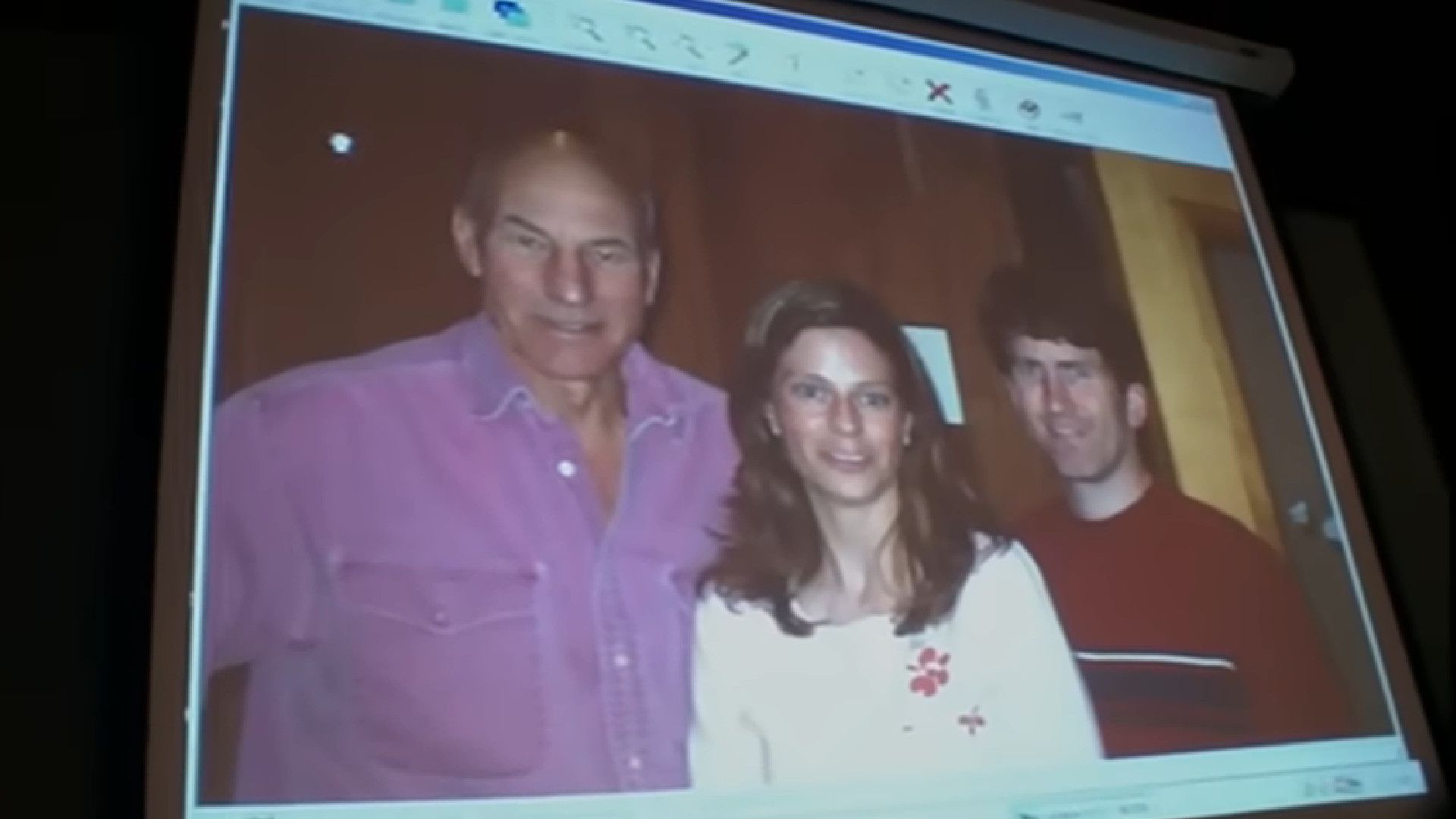
When Bethesda cast Sir Patrick Stewart as Emperor Uriel Septim VII in The Elder Scrolls IV: Oblivion, they weren’t just hiring a famous voice — they were handing a classically trained Shakespearean actor the keys to one of gaming’s richest fictional universes. And as it turns out, the studio’s famously deep lore documents left a bigger impression on Stewart than most Hollywood scripts ever did.
A Shakespearean Actor Enters Cyrodiil
Released in 2006, Oblivion opened with one of the most memorable introductions in RPG history. Stewart’s Emperor Uriel Septim VII, fleeing assassins through the prison sewers beneath the Imperial City, delivers cryptic prophecies to the player before meeting his fate. Though his screen time was relatively brief, his gravitas set the tone for the entire adventure and remains one of the most celebrated voice performances in the Elder Scrolls franchise.
What many fans don’t know is just how seriously Bethesda took preparing Stewart for the role — and how stunned the veteran actor was by the material he received before stepping into the recording booth.
‘Embarrassingly Long’ Notes That Won Over a Legend
According to the story shared by game director Todd Howard, the extensive lore documentation given to Stewart was originally compiled by lead designer Ken Rolston. Howard was actually worried about sending it over, fearing that Rolston’s mountain of background material was “embarrassingly long” — the kind of document that might overwhelm or even annoy a blockbuster actor accustomed to streamlined Hollywood production notes.
He needn’t have worried. Stewart’s reaction was the exact opposite.
“Never in my life doing any role have I gotten such detailed notes.”
For an actor whose career spans the Royal Shakespeare Company, Star Trek: The Next Generation as Captain Jean-Luc Picard, and the X-Men films as Professor Charles Xavier, that’s a remarkable statement. The lore of Tamriel, it seems, impressed Stewart more deeply than scripts from some of the biggest franchises in film and television.
The Ken Rolston Factor
Credit where it’s due: Ken Rolston, who served as lead designer on both Morrowind and Oblivion, was legendary for his elaborate design philosophy and encyclopedic approach to worldbuilding. The documents that wowed Stewart were a product of Rolston’s meticulous craft, paired with Todd Howard’s willingness to hand a voice actor the full weight of the series’ history — the Septim bloodline, the Dragonfires, the Daedric realms, and the prophecies of the Elder Scrolls themselves.
Why This Story Still Matters
Nearly two decades later, this anecdote says a lot about what set Bethesda apart in the mid-2000s. While many studios treated voice acting as an afterthought, Oblivion leaned on theatrical heavyweights — Stewart alongside Sean Bean as Martin and Terence Stamp as the villainous Mankar Camoran — and backed them with genuine narrative depth.
It’s also a testament to how game lore has evolved from background flavor text into something that can genuinely impress artists working across mediums. Stewart’s experience helped legitimize video game voice work at a time when Hollywood stars rarely took game roles seriously, paving the way for today’s star-studded casts in blockbuster titles.
With Oblivion having received a modern remaster, a whole new generation of players is hearing Stewart’s iconic performance — and those famous lines about the player’s unknown future — in beautifully updated form.
Return to Cyrodiil
Want to experience Uriel Septim’s final journey for yourself? The Elder Scrolls IV: Oblivion Remastered and other Bethesda titles are available at TURGAME.com, where you can pick up genuine game codes, Steam gift cards, and Xbox gift cards at great prices — your gateway to Tamriel is just a few clicks away.
Source: GamesRadar
Source: GamesRadar