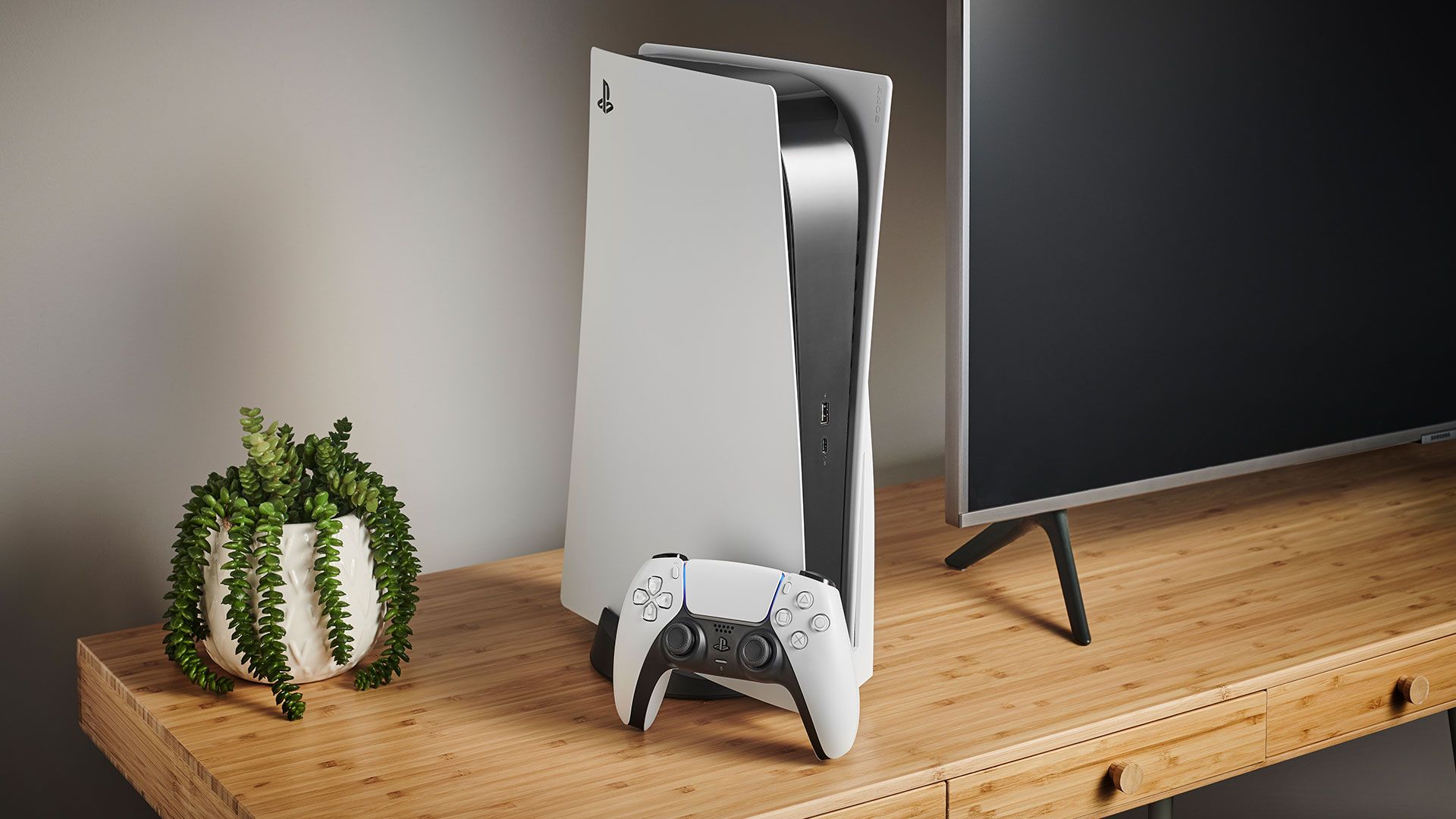
The gaming industry’s quiet march toward an all-digital future has sparked a blunt warning from one of Playstation‘s most respected former executives. Shawn Layden, who once led Sony Interactive Entertainment’s worldwide operations, says the company’s push to phase out physical discs opens up what he calls an “insidious” conversation about whether players truly own the games they buy.
“If You Can’t Sell It, You Don’t Own It”
Layden’s core argument cuts straight to the heart of the digital ownership debate. In his view, the ability to resell, lend, or trade a product is one of the fundamental markers of ownership — and it’s something digital purchases simply don’t offer.
Licenses, Not Games
When you buy a game digitally, whether on the PlayStation Store or any other platform, you’re technically purchasing a license to access the content rather than the content itself. Layden points out the uncomfortable implication: “If you can’t sell a thing, that means you don’t own a thing.” And he follows that logic with an even sharper question — if you don’t own it, then what exactly are you paying for?
It’s a question millions of gamers are increasingly asking, especially as digital storefront sales now account for the vast majority of game purchases worldwide.
Sony’s Steady Move Away From Discs
The comments land at a telling moment for Sony’s hardware strategy. The PlayStation 5 launched with a disc-less Digital Edition alongside the standard model, but the recent PS5 Pro took things a step further by shipping without a disc drive entirely — forcing buyers who still want physical media to purchase the drive separately.
A Sign of Things to Come?
For many industry watchers, the PS5 Pro’s design is a preview of where console hardware is heading. Physical game sales continue to shrink year over year, and platform holders have little financial incentive to keep manufacturing discs, cases, and retail logistics when digital distribution delivers higher margins and eliminates used-game sales entirely — sales from which they earn nothing.
That last point is key. The secondhand market has long been a thorn in the side of publishers. A digital-only ecosystem doesn’t just cut manufacturing costs; it quietly eliminates the resale rights Layden is defending.
The Bigger Problem: Games That Can Disappear
Ownership isn’t just an abstract philosophical issue. We’ve already seen high-profile cases where digital-only games became unplayable after servers were shut down, leaving paying customers with nothing. Combined with the risk of accounts being banned or storefronts closing, the fragility of digital libraries is becoming impossible to ignore.
Regulators are starting to pay attention too. New consumer protection laws in some regions now require companies to be more transparent about the fact that digital purchases are licenses, not permanent property — a direct response to exactly the concerns Layden is raising.
What Players Can Do in a Digital-First World
Until the industry settles these questions, gamers are finding practical ways to stay in control. Buying physical copies while they still exist is one option. Another is shopping smart for digital content — platforms like TURGAME.com offer discounted PlayStation gift cards and game codes, letting players top up their wallets and grab digital titles at better prices. While digital ownership questions remain unresolved, getting more value per dollar is one way to hedge the bet.
Layden’s message ultimately serves as a rallying call: the transition to digital may be inevitable, but the terms of that transition — who owns what, and for how long — are still being written. Gamers who care about preservation and consumer rights would do well to keep asking his question: if you don’t own it, what are you really buying?
Source: GamesRadar
Source: GamesRadar