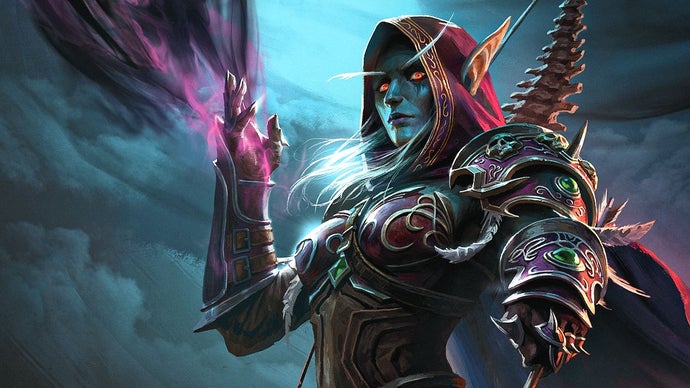
When word sprEad that Blizzard Entertainment and Wizards of the Coast were joining forces on an official Dungeons & Dragons: World of Warcraft book, fans on both sides of the fence started dreaming big. Would we finally see 40-player raid mechanics translated to the dinner table? Could the beloved MMO’s grind become a dice-driven experience? According to reporting from Eurogamer, the answer is a firm no — and that might actually be the best possible outcome.
Two Fantasy Giants, One Crossover Book
The collaboration brings together two of the most influential names in fantasy gaming. World of Warcraft has defined the MMO genre for more than two decades, while Dungeons & Dragons has spent 52 years as the cornerstone of tabletop roleplaying. In many ways, the pairing feels inevitable: Warcraft’s lore was born from classic fantasy traditions that D&D helped popularize, filled with orcs, elves, magic, and epic quests.
What’s Inside the D&D World of Warcraft Book
So what can players actually expect? The book translates Azeroth into the framework of the world’s most famous tabletop RPG. That means recognizable races, iconic dungeons, and legendary characters pulled straight from Blizzard’s universe, all rebuilt to function within established D&D conventions. It’s a genuine love letter to Warcraft lore — but filtered through the lens of a pen-and-paper roleplaying game rather than a massively multiplayer online experience.
Don’t Expect the Book to Behave Like the MMO
According to Eurogamer’s coverage of the press briefing, a remarkable number of questions from journalists circled back to the same theme: would the 52-year-old tabletop system bend out of shape to emulate the feel of an MMO? The creative team’s response was clear. While the World of Warcraft adaptation faithfully imports the setting’s races, dungeons, and characters, it does not fundamentally alter what D&D is at its core.
What That Means in Practice
In practical terms, this means no raid lockouts, no matchmaking, no auction house, and no weekly reset cycles. Instead, players will gather around a table with a Dungeon Master guiding the story, rolling dice to determine outcomes, and shaping the narrative through their own choices. The social, freeform nature of tabletop roleplaying simply works differently from the structured, systems-driven loop of an online game — and forcing one into the other’s mold would likely please neither audience.
Why This Is Good News for Both Fanbases
Here’s the thing: staying true to D&D’s identity is arguably the smartest move the developers could make. WoW players who’ve never rolled a d20 get a welcoming entry point into tabletop gaming wrapped in lore they already love. Meanwhile, longtime D&D groups gain a rich, battle-tested fantasy setting with decades of storytelling to draw from. Rather than a gimmicky hybrid that satisfies no one, the book functions as a bridge between two communities that have far more in common than they might realize.
For Blizzard, it’s also a savvy way to keep Azeroth alive in the cultural conversation at a time when the Warcraft universe is expanding across multiple fronts. Tabletop campaigns can stretch on for years, giving fans a deeply personal way to inhabit a world they’ve only ever experienced through a screen.
Ready to Return to Azeroth?
Whether you’re planning a tabletop campaign through Azeroth or want to revisit the MMO that started it all, having funds ready makes everything easier. You can pick up Battle.net gift cards and World of Warcraft game time codes at TURGAME.com, making it simple to top up your account and dive back into the action — no dice required.
Source: This article is based on reporting by Eurogamer.