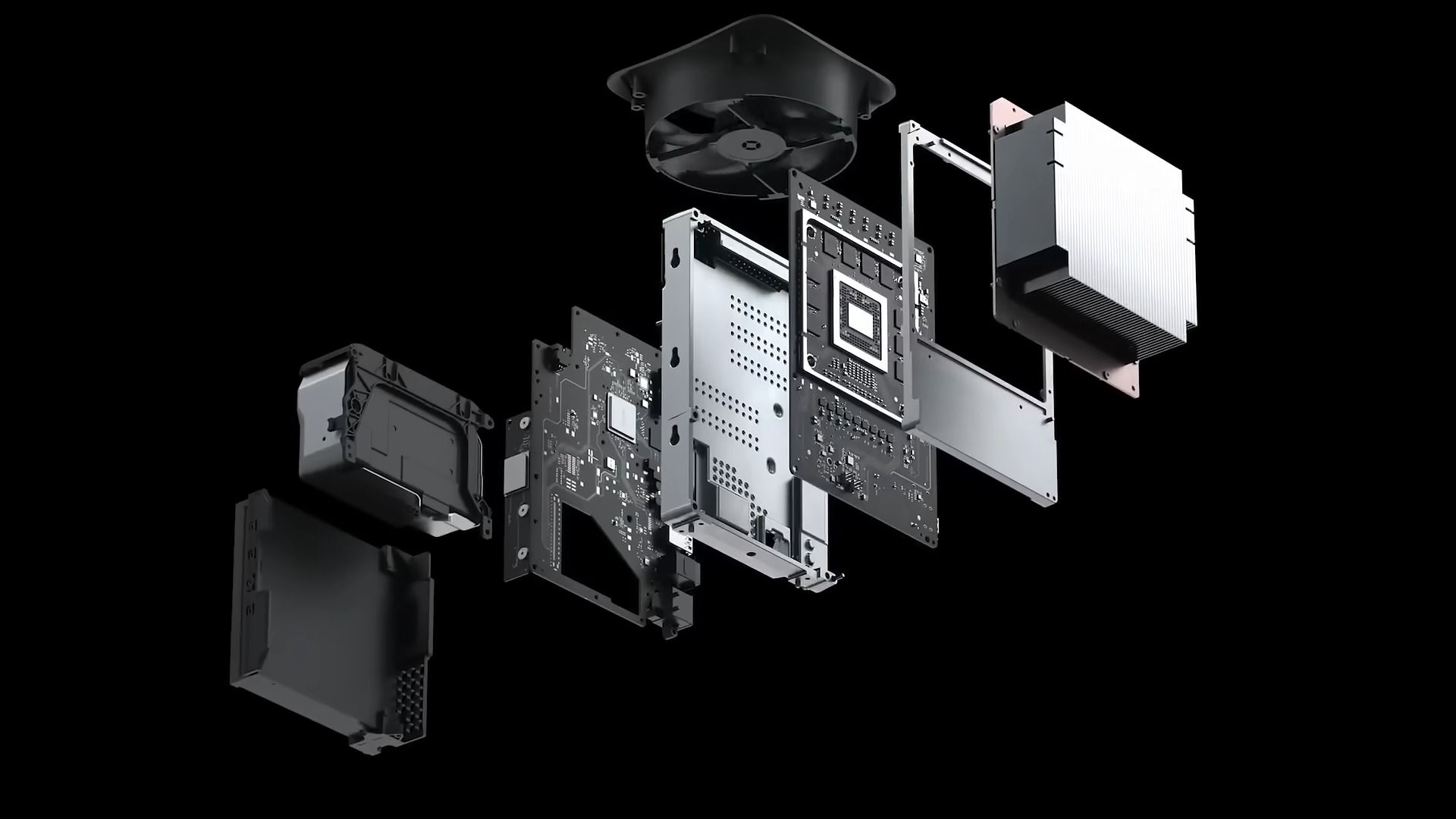
A veteran of Microsoft’s Xbox division has delivered a blunt reality check about Project Helix, the company’s next-generation hardware initiative. In strikingly direct terms, the former Microsoft figure argued that an Xbox whose main purpose is launching Steam would amount to little more than “subsidizing Valve’s cash register” — selling hardware at a loss so a rival company can collect the storefront profits.
A Blunt Warning From an Xbox Insider
The core of the criticism is simple but cutting: Project Helix “has to be an Xbox,” not a third-party publishing device. According to the veteran, Microsoft needs to firmly decide what the Xbox brand actually is before its next hardware push collides with market reality — in other words, the company has to pick a lane before Project Helix hits a wall.
What Is Project Helix?
Project Helix is the reported initiative behind Microsoft’s next-generation Xbox ecosystem, widely understood to cover both traditional console hardware and handheld gaming devices. Rumors have long suggested the next Xbox could take a more PC-like approach — a machine capable of running multiple storefronts, including Valve’s Steam, alongside the native Xbox store.
On paper, that openness sounds player-friendly. But it raises an uncomfortable business question: if customers buy an Xbox and then spend most of their money inside Steam, Microsoft has effectively built subsidized hardware that funnels software revenue straight to its biggest storefront competitor.
The Ghost of Steam Machines
Ironically, Valve’s own Steam Machines experiment from the mid-2010s showed how difficult it is to sell PC-console hybrids without a compelling reason for players to commit. The difference this time is that Microsoft would be the one absorbing hardware costs while Valve collects the software sales — essentially running a Steam Machine business for its rival. The traditional console model depends on earning back hardware subsidies through software and services; break that loop and the economics get ugly fast.
Pick a Lane: Console, PC, or Publisher?
The warning lands in the middle of a genuine identity crisis for the Xbox brand. Microsoft now publishes many of its biggest titles — from Forza Horizon to Gears of War to Call of Duty — on PlayStation and Nintendo platforms, while Game Pass and cloud streaming stretch the ecosystem far beyond the living room box.
In my view, the veteran’s point isn’t anti-consumer choice — it’s a demand for coherence. If Xbox hardware exists mainly as a delivery vehicle for other companies’ stores, Microsoft’s differentiation collapses to Game Pass and little else. A successful Project Helix needs an Xbox-native experience compelling enough that players actually spend, play, and stay inside Microsoft’s ecosystem rather than defaulting to Steam on day one.
What This Means for Gamers
Whatever lane Microsoft chooses, the coming storefront battle will shape where your game library lives for the next decade. More openness could mean more choice and better deals for players — but a weakened Xbox platform could also mean less competition in a market already dominated by Valve on PC.
Whether you’re loyal to the Xbox store or fully invested in the Steam ecosystem, keeping your wallet topped up matters. You can pick up Xbox Gift Cards and Steam Wallet codes at TURGAME.com at competitive prices, so you’re ready for whatever the next generation of hardware brings.
Source: GamesRadar
Source: GamesRadar