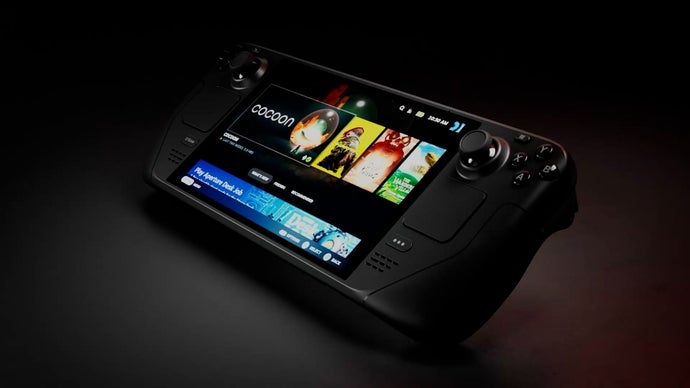
Valve is dominating gaming headlines once again, and this time it’s a double dose of news. The company behind the world’s most popular handheld gaming PC has opened pre-order registration for its long-awaited Steam Frame VR headset — but the standalone device is arriving both later and more expensive than fans had hoped. Meanwhile, Valve is keen to reassure handheld enthusiasts that the eagerly anticipated Steam Deck 2 remains firmly on track despite the ongoing global component shortage.
Steam Frame VR: Higher Price, Longer Wait
After months of anticipation and speculation, Valve has finally opened pre-order registration for the Steam Frame, its standalone VR headset. The device carries a price tag of £889 / $1,059, positioning it firmly at the premium end of the virtual reality market.
The launch hasn’t gone entirely smoothly. The headset arrives later than originally expected, and the final pricing sits noticeably higher than many in the VR community anticipated. For comparison, that puts the Steam Frame well above previous-generation standalone headsets, signaling that Valve is targeting enthusiasts rather than budget-conscious newcomers.
What You Get for the Money
The Steam Frame is a fully standalone headset, meaning it doesn’t require a tethered gaming PC or external tracking stations. Valve is betting that the convenience of wire-free PC-quality VR — combined with the company’s SteamVR ecosystem — will justify the premium asking price for players who want a high-end experience without cables getting in the way.
Steam Deck 2: Not Going Anywhere
The bigger question on many gamers’ minds, however, concerns the Steam Deck 2. With the tech industry in the grips of a serious component crisis — memory and storage prices have surged dramatically in recent months, squeezing manufacturers across the PC hardware space — some feared Valve’s next-generation handheld could face delays or inflated pricing.
Valve has moved to calm those fears, maintaining that its Steam Deck 2 plans are not affected by the ongoing component shortage. That’s a significant statement, as the crisis has already forced price hikes and supply issues across the wider gaming hardware market, from graphics cards to prebuilt PCs and competing handhelds.
Why This Matters for Handheld Gaming
The Steam Deck essentially created the modern handheld gaming PC category, spawning a wave of competitors from ASUS, Lenovo, MSI, and others. A next-generation Deck with improved performance and battery efficiency is widely seen as the catalyst that could push the format into the mainstream. Valve’s confidence suggests the company has secured its supply chain — or at least planned its roadmap around the disruption — which is encouraging news for the tens of millions of Steam Deck owners hoping for a worthy successor.
A Busy Stretch for Valve
Between a new VR headset, continued Steam Deck momentum, and a growing SteamOS ecosystem that’s expanding to third-party devices, Valve is arguably more active in hardware than at any point in its history. The Steam Frame’s launch — despite the delays and pricing sting — reinforces the company’s commitment to pushing PC gaming beyond the traditional desk setup.
Whether the premium price proves to be a hurdle or a fair trade for cutting-edge standalone VR remains to be seen once the headset reaches buyers’ hands. What’s clear is that Valve isn’t letting a global component shortage slow down its hardware ambitions.
Stock Up Before the Next Big Launch
If you’re planning to expand your Steam library ahead of the Steam Frame’s arrival — or simply want to grab games while sales are still running — you can pick up Steam Wallet gift cards at TURGAME.com. With instant delivery and competitive prices, it’s the easiest way to top up your balance and be ready for whatever Valve launches next.
Source: Eurogamer