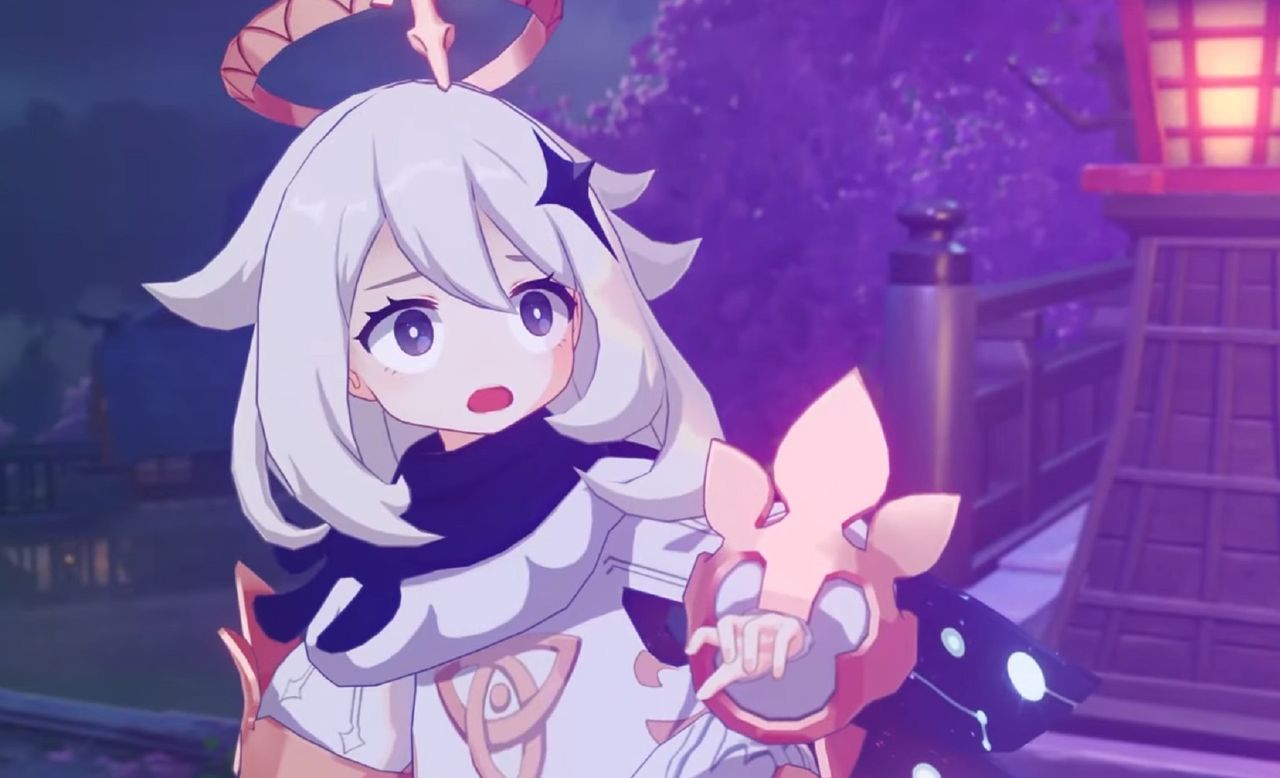
The battle between game developers and AI companies just rEached a major turning point. HoYoverse, the studio behind the massively popular action RPG Genshin Impact, has emerged victorious in a Chinese courtroom after an AI company illegally cloned the voices of 63 of its beloved characters. The court awarded the developer roughly $112,000 in damages, delivering one of the most significant legal victories yet in the fight against unauthorized AI voice replication.
What Happened in Court
According to the ruling, an AI voice generation company used artificial intelligence to recreate the voices of dozens of Genshin Impact characters without HoYoverse’s permission. These cloned voices could then be used to generate new dialogue and audio content featuring characters from the game, completely bypassing the original voice actors and the studio’s ownership rights.
“Nearly Identical Characteristics”
The court’s decision hinged on a damning finding: the AI-generated voices exhibited “nearly identical characteristics” to the original performances. In other words, the technology wasn’t creating something inspired by the characters, it was directly replicating them. That distinction proved crucial, as the judge ruled the AI company had infringed on HoYoverse’s rights and ordered the firm to pay damages totaling approximately $112,000.
Sixty-three characters were affected in total, a substantial slice of Genshin Impact’s expansive roster, which features hundreds of playable heroes voiced across multiple languages including Chinese, English, Japanese, and Korean.
Why This Case Matters Beyond Genshin Impact
While $112,000 may be a modest sum for a company of HoYoverse’s size, the precedent is enormous. This ruling sends an unmistakable message to AI companies worldwide: game characters’ voices are protected property, and cloning them without consent carries legal consequences.
A Flashpoint in the AI Ethics Debate
The case lands in the middle of an ongoing global controversy. Voice actors have increasingly raised alarms about AI voice cloning, with many performers discovering their voices replicated in apps, mods, and fan projects without compensation or consent. Union disputes, including the high-profile SAG-AFTRA video game strike, have centered heavily on AI protections for performers.
For publishers like HoYoverse, voice performances are more than just audio files. They are core intellectual property. Characters like Paimon, Zhongli, and Raiden Shogun are defined in large part by their iconic voice work, and unauthorized clones threaten both brand integrity and the livelihoods of the actors behind them.
The Bigger Picture for Gaming and AI
This verdict arrives at a time when AI-generated content is flooding the gaming space, from AI-art controversies to voice cloning scandals. Developers are now scrambling to protect their creative assets, and this case provides a legal blueprint for how they might do so successfully.
It also raises questions about where the line sits for fans. Community projects that use cloned voices, even non-commercially, may now find themselves in legally murky territory. As courts continue to define the boundaries of AI usage, both companies and creators will need to tread carefully.
For players, the ruling is largely good news. It protects the authenticity of the characters they love and supports the professional voice actors whose performances bring Teyvat to life.
Keep Your Adventure Going
If this news has you itching to jump back into Teyvat, there’s no better time to stock up on in-game currency. You can grab Genshin Impact top-ups and gift cards at TURGAME.com, your go-to destination for game codes and digital gift cards at competitive prices. Whether you’re pulling for the newest 5-star character or stocking up on Genesis Crystals, TURGAME has you covered.
Source: GamesRadar