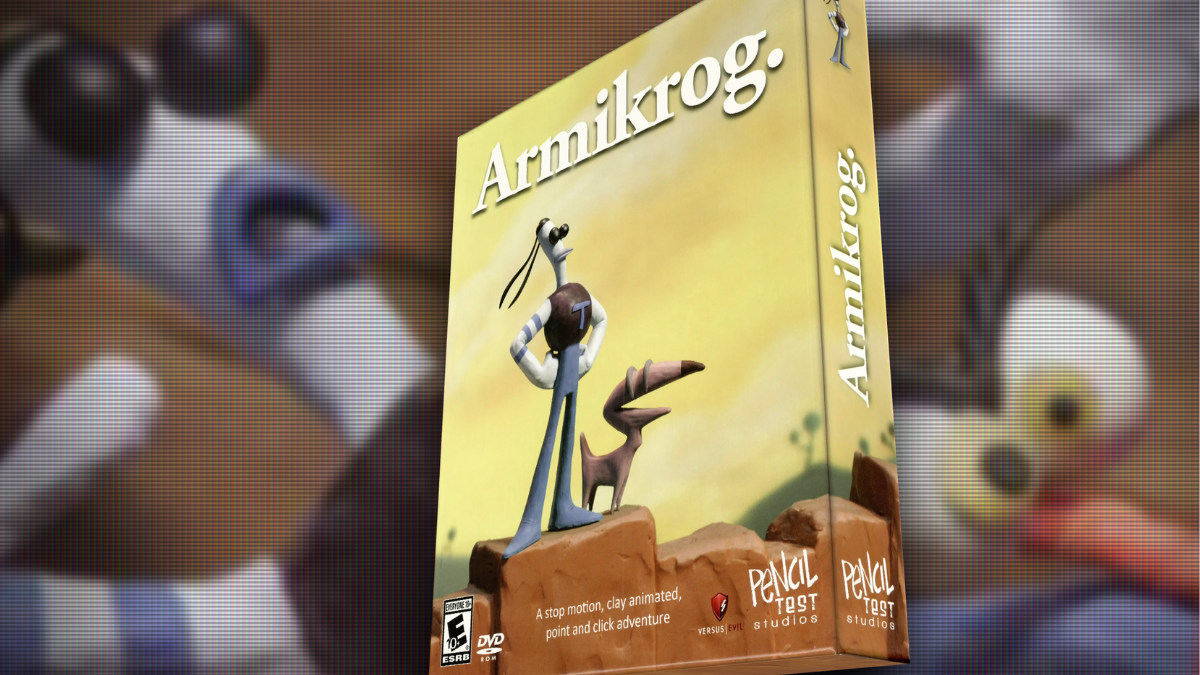
The Golden Age of PC Packaging Never Really Died
There was a time when buying a PC game meant leaving the store with a chunky cardboard box stuffed with a thick manual, a quick-reference card, and occasionally a cloth map or novelty trinket. Those boxes were loud, oversized, and completely wonderful.
That era is long gone—but it may not be dead. While major publishers push harder than ever toward an all-digital future, a grassroots movement is giving Big Box PC game packaging a genuine second life, and as PC Gamer notes, taking the DIY approach is now easier than ever.
Why Publishers Want Physical Media Gone
Let’s be blunt: corporations want to kill physical media because it suits them. Digital distribution eliminates manufacturing, warehousing, shipping, and retailer margins. More importantly, from a corporate perspective, it erases the second-hand market entirely. When you buy a game digitally, you are not purchasing a product—you are purchasing a revocable license. You cannot lend it to a friend, resell it, or guarantee it will still launch in twenty years.
The industry’s direction is unmistakable. Digital-only console hardware has gone mainstream, “physical” editions increasingly ship as empty boxes containing little more than a download code, and digital storefronts have been shuttered outright, taking customers’ purchased libraries down with them.
The Big Box Renaissance Is Here
Against this backdrop, the classic Big Box PC game is staging an unlikely comeback. For younger readers: throughout the 1990s and early 2000s, PC games shipped in oversized cardboard packages that made console cases look anemic. They served as a canvas for striking cover art and a home for dense manuals, world maps, and “feelies”—physical extras that turned installing a game into an event.
The DIY Approach Is Easier Than Ever
What has changed is accessibility. What once demanded craft skills and a specialist print shop can now be handled by anyone with a decent printer and a free afternoon. Enthusiast communities share print-ready box art templates, standardized dimensions, and step-by-step tutorials, while blank Big Box shells and case inserts can simply be ordered online. If you own a modern PC game digitally and want it sitting on your shelf in glorious ’90s style, the tools to make it happen are only a few clicks away.
Why This Matters Beyond Nostalgia
It would be easy to dismiss all of this as rose-tinted nostalgia, but the Big Box revival intersects with a genuinely serious issue: game preservation. Digital storefronts close. Titles get delisted over expired licensing agreements. Servers go dark. Physical media remains one of the few formats where ownership is tangible and long-term access does not depend on a company’s continued goodwill—or its balance sheet.
When a publisher frames digital-only as “the future,” what is really being described is a future with less consumer control. The DIY Big Box scene is a small but pointed rebuttal: proof that players still value owning something real.
Physical Revival, Digital Convenience
Of course, the fastest way to actually play the latest PC releases is still a digital key—and you do not have to pay full price for one. At TURGAME.com, you can find game codes and gift cards for platforms such as Steam at competitive prices, whether your collection lives on a shelf or a solid-state drive.
The Big Box comeback will not single-handedly reverse the industry’s digital trajectory. But it sends a clear message that collectors and preservationists are not ready to let physical media die quietly—and with DIY tools this accessible, nothing is stopping you from joining the resistance.
Source: PC Gamer