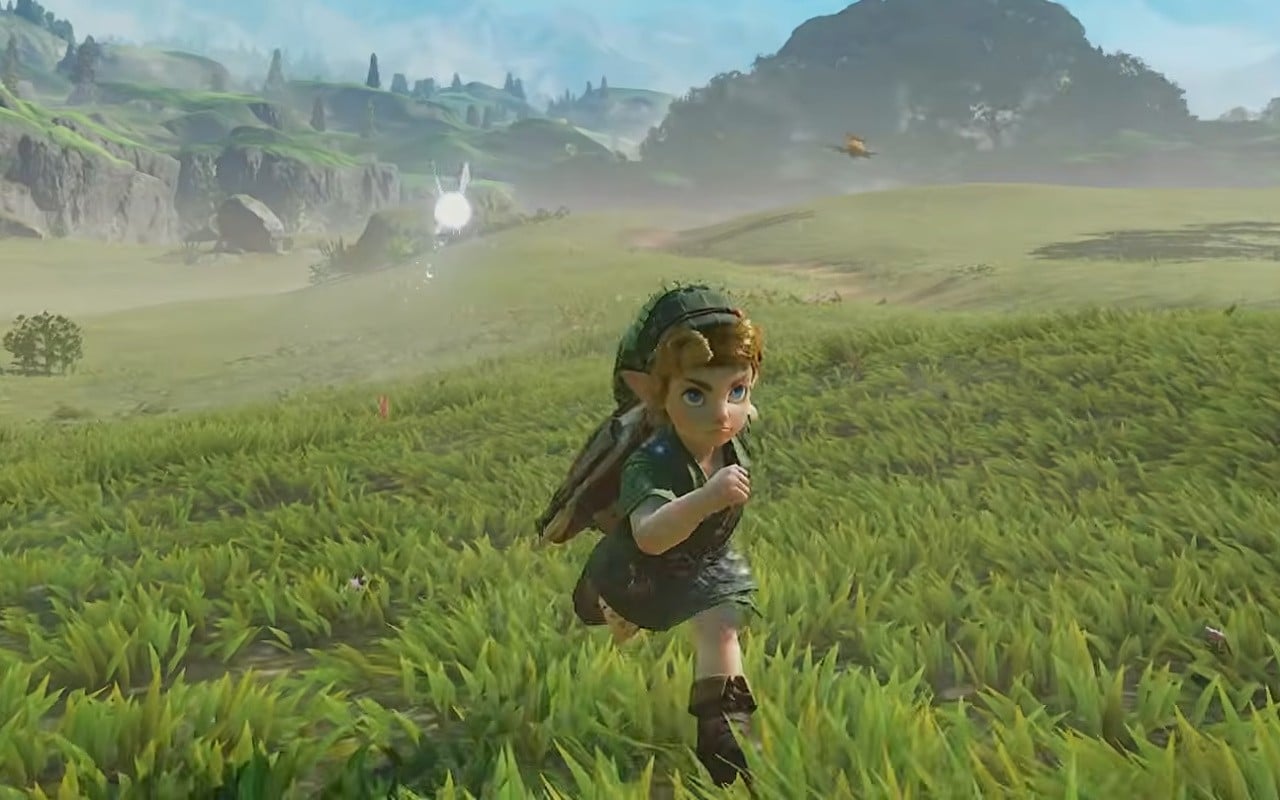
Nintendo has finally given fans a proper first look at The Legend of Zelda: Ocarina of Time running on Nintendo Switch 2, and it is shaping up to be far more than a simple visual touch-up. Alongside an updated character model for Link and what Nintendo describes as “overhauled” visuals, the beloved N64 classic is gaining entirely new jump and dash controls, as well as modernized camera movement that gives players a degree of freedom the 1998 original could only dream of.
A Proper First Look at a Reimagined Hyrule
After considerable anticipation surrounding one of gaming’s most treasured adventures, Nintendo’s reveal put lingering questions to rest. The footage showcased a noticeably refreshed version of Link, confirming that this isn’t a straight port of the Nintendo 64 release. The visual overhaul appears to be the most significant glow-up the game has received since its original launch, and it signals that Nintendo is treating this Switch 2 release as a genuine reimagining rather than a nostalgic re-release.
New Moves for a Classic Hero
Jump and Dash Controls Change Everything
Perhaps the most surprising addition is the introduction of manual jump and dash mechanics. When Ocarina of Time originally launched in 1998, Link famously never jumped on command — the game automatically leapt for him whenever he ran toward a ledge. It was a design decision that defined an entire generation of 3D adventure games.
Handing players direct control over jumping and dashing fundamentally modernizes how Hyrule is explored. Traversal across fields, dungeons, and platforms should feel faster and more fluid, while combat encounters may gain a new layer of mobility and style. Speedrunners, in particular, will undoubtedly be eager to dissect exactly how these new movement options break the game wide open.
Complete Camera Freedom at Last
The other headline feature is what Nintendo is calling “modern camera movements” — and as the reveal made clear, players now enjoy complete freedom over the camera. The original Ocarina of Time relied heavily on its pioneering Z-targeting system to frame the action, often leaving the camera locked in cinematic but restrictive angles. Free camera control removes one of the most dated aspects of the experience, letting players survey battlefields, soak in the overhauled environments, and line up jumps exactly the way they want.
Why These Upgrades Matter
Ocarina of Time is routinely ranked among the greatest video games ever made, and it laid the foundation for modern 3D action-adventure design. That legacy is precisely why every change sparks debate. Some purists prefer the original’s deliberate pacing, but additions like manual jumping, dashing, and a free camera serve an important purpose: they lower the barrier of entry for a whole new generation of players who grew up with modern controls.
It’s a similar philosophy to the one Nintendo has applied to other classic re-releases on Switch 2 — preserve the soul of the original while quietly smoothing over the friction points that haven’t aged gracefully. If executed well, this could become the definitive way to experience Link’s first 3D quest.
Prepare for Your Return to Hyrule
Whether you’re a longtime fan who has completed the Water Temple more times than you can count, or a newcomer ready to draw the Master Sword for the first time, the Switch 2 version of Ocarina of Time is shaping up to be essential. To make sure your wallet is ready for launch day, you can pick up Nintendo eShop gift cards at TURGAME.com and top up your balance instantly, so nothing stands between you and Hyrule.
Source: Nintendo Life