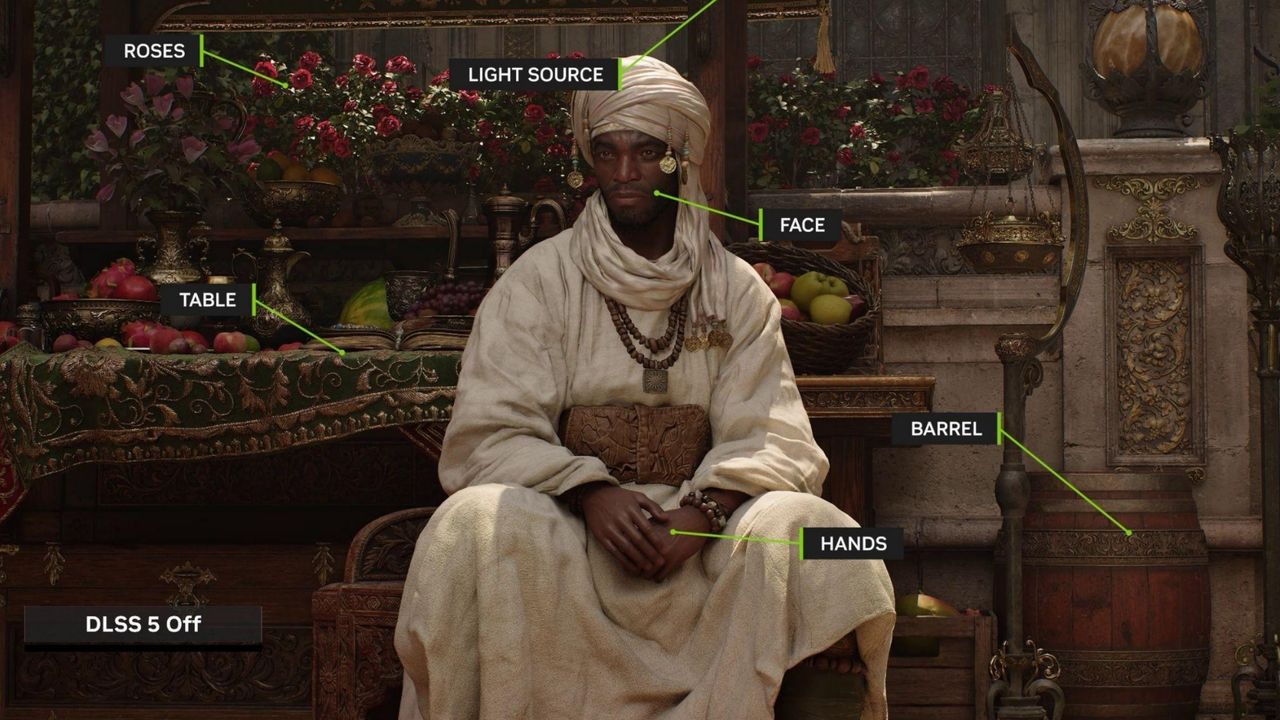
PC gamers, mark your calendars. Nvidia has confirmed that DLSS 5, the next evolution of its AI-powered upscaling and frame generation technology, will officially launch on September 3. Ahead of the release, Nvidia offered journalists a behind-closed-doors demonstration at Gamescom, where it showcased the new suite of developer controls that will give studios finer command over how the technology behaves in their games.
What Nvidia Showed Behind Closed Doors at Gamescom
Gamescom remains one of the biggest stages in gaming, and Nvidia used this year’s event to get press eyes on DLSS 5 before its public debut. According to GamesRadar, which attended the private demo, the focus wasn’t just on flashy performance numbers — it was on the toolset that developers will use to integrate DLSS 5 into their titles.
A Closer Look at the Developer Controls
The emphasis on developer controls is a telling move. DLSS has grown from a relatively simple AI upscaler into a multi-feature stack that includes Super Resolution, Ray Reconstruction, and Frame Generation. With each generation, the number of knobs developers can turn has expanded, and DLSS 5 appears to continue that trend. Giving studios deeper control means each game can be tuned to balance image quality, latency, and raw performance to match its art style and gameplay demands — whether that’s a fast-paced competitive shooter or a slow, cinematic single-player adventure.
Why the September 3 Launch Matters
Timing is everything in the hardware world. Launching DLSS 5 on September 3 positions Nvidia squarely in the fall release window, when major AAA titles traditionally begin arriving and gamers are upgrading their rigs for the holiday season. A fresh DLSS generation landing now gives both developers and players a reason to pay attention to RTX hardware in the months ahead.
It’s also worth remembering how quickly DLSS has evolved. What began as a niche feature requiring per-game training has become a generalized AI framework that Nvidia iterates on aggressively. Each new version has delivered meaningful gains in visual fidelity and performance, and the pace of these releases shows no sign of slowing.
The Bigger Picture: AI Upscaling Is the New Battleground
Dlss 5 doesn’t launch in a vacuum. AMD’s FSR and Intel’s XeSS continue to improve, and upscaling has effectively become table stakes for modern PC game development. Consoles and handhelds now lean heavily on upscaling techniques as well, which means the quality of these AI pipelines directly shapes what games look like across the entire market — not just on high-end RTX rigs.
Nvidia’s strategy has always been to leverage its AI expertise as a differentiator, and a September 3 launch with expanded developer tools suggests the company wants studios adopting the tech early and deeply. The more control developers have, the more likely they are to build their games around DLSS 5 from the ground up rather than bolting it on late in development.
What This Means for Gamers
For everyday players, the practical takeaway is simple: better frame rates and sharper visuals without needing to splurge on increasingly expensive GPUs. If DLSS 5 delivers on the promise of its developer-focused toolset, expect supported games to look and run noticeably better on RTX hardware this fall and beyond.
Want to be ready for the wave of DLSS-enhanced games arriving this season? You can top up your library by picking up Steam gift cards, game keys, and wallet codes at TURGAME.com — a quick and easy way to grab the latest RTX-enhanced titles the moment they drop.
Source: GamesRadar
Source: GamesRadar