The Current Gaming Monetization Dilemma
The gaming industry has faced incrEasing criticism for its heavy reliance on microtransactions and live-service models. Players have grown weary of constant monetization tactics that can feel exploitative or disrupt gameplay. In this landscape of frustration, a new perspective has emerged that might just shake up how games fund their development and content.
A Former Dragon Age Director’s Proposal
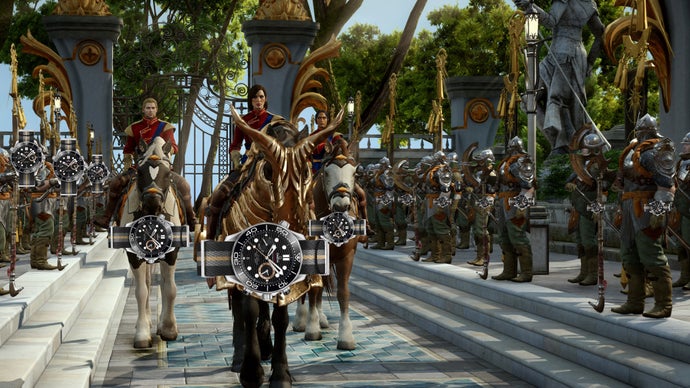
Former Dragon Age lead director has suggested that the gaming industry should explore product placement as a viable alternative to microtransaction-based revenue streams. This thought-provoking idea suggests that games could take a page from Hollywood’s playbook, where branded products and partnerships have long provided additional revenue without directly charging consumers.
How Product Placement Could Work in Games
The concept is simple yet potentially revolutionary: instead of selling in-game items or currency directly to players, developers could partner with real-world brands to feature their products within games. This approach would generate revenue through brand partnerships rather than player wallets.
Already in Action: The Watch Example
One successful example highlighted is the game “007 First Light,” which forces players to choose between seven different color variants of the same branded timepiece. This subtle integration not only adds a layer of personalization but also demonstrates how product placement can enhance rather than detract from the gaming experience. Imagine choosing your character’s watch, car, or beverage from real-world brands – each selection generating revenue for developers while providing authentic customization options.
The Potential Benefits and Challenges
This approach could address several industry problems simultaneously. It would reduce the reliance on potentially predatory microtransactions while providing developers with alternative funding sources. For players, it might mean fewer paywalls and more organic in-game experiences.
However, the implementation would require careful consideration. Product placement must feel natural within the game world and not break immersion. A medieval fantasy game featuring modern energy drinks would obviously miss the mark!
As the industry continues to evolve, creative solutions like product placement might just be the middle ground that benefits both developers and players. For those looking to enjoy the latest games without worrying about exploitative monetization, check out TURGAME.com for game codes and gift cards at competitive prices.
Source: Rock Paper Shotgun
Source: Rock Paper Shotgun